

Brand Development Explained: Steps, Methods, and Best Examples

Brand development is a critical process aimed at establishing and enhancing a brand’s identity. It involves several key steps, beginning with market research to understand target audiences and competition. After that, defining the brand strategy establishes its vision, mission, and values. Next comes creating the brand identity through visual and verbal elements. Effective storytelling is necessary to connect with consumers emotionally. Implementation ensures consistent application across all platforms while audience engagement follows through content marketing strategies. Measuring performance using relevant KPIs allows brands to refine their approach regularly. Successful examples like Tesla and Chipotle illustrate the power of strong branding in competitive markets.
Table of Contents
- What is Brand Development?
- Steps in the Brand Development Process
- Best Practices for Effective Brand Development
- Examples of Successful Brand Development
- Frequently Asked Questions
What is Brand Development?
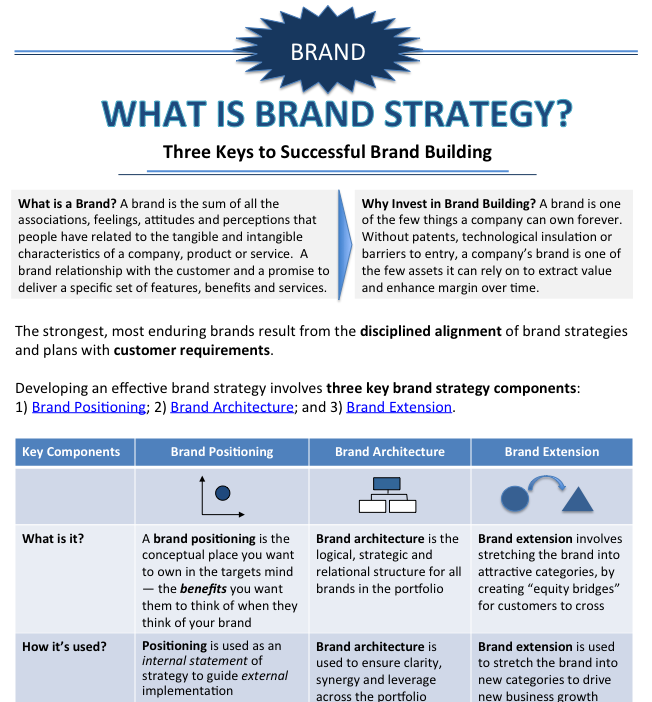
Credits: equibrandconsulting.com
Brand development is the process of creating a unique identity for a business or product. It involves defining what the brand represents in terms of its values and mission. This includes developing both a visual identity, such as a logo and color scheme, and a verbal identity, which encompasses the brand’s tone and messaging. The goal of brand development is to establish a strong emotional connection with consumers, which is essential for building trust and loyalty in a competitive market. Additionally, effective brand development helps communicate the brand’s purpose to its target audience, enhancing customer recognition and recall. It is important to note that brand development is not a one-time task; rather, it is an ongoing effort that should evolve with market trends while maintaining core values. A well-developed brand can lead to sustainable business growth and differentiation in the marketplace.
Steps in the Brand Development Process

Credits: thebrandingjournal.com
The brand development process begins with thorough market research to gather insights about customer preferences and competitor strategies. This research can involve surveys, focus groups, and observational methods to identify trends and gaps in the market. Once the data is collected, it is analyzed to pinpoint opportunities and threats, forming the foundation for the brand’s strategy.
Next, defining a clear brand strategy is essential. This strategy should articulate the brand’s vision, mission, core values, and unique selling proposition (USP), guiding all future branding efforts.
Following this, creating a distinctive brand identity is crucial. This includes developing visual elements like logos, color schemes, and typography that reflect the brand’s values. A verbal identity, such as tone and messaging, should also be established to ensure consistency.
Crafting a compelling brand story is another significant step. This narrative should resonate with the target audience and effectively communicate the brand’s mission and values.
Once the brand identity is created, implementation across all marketing materials and customer interactions is necessary. Consistency in applying the brand identity helps build recognition and trust.
Engaging with the audience is also vital. This can be achieved through social media and content marketing, fostering relationships that enhance brand loyalty.
To assess the effectiveness of the brand strategy, performance measurement is required. Metrics such as customer feedback and sales data should be monitored to evaluate brand performance.
Finally, the brand strategy should be refined continuously, responding to insights gained from performance metrics and adapting to market changes.
| Step Number | Step Description | Source |
|---|---|---|
| 1 | Conduct thorough research to understand industry trends, target audiences, and competitors. Utilize methods such as surveys, focus groups, and observational research. | Appinio Blog |
| 2 | Establish your brand’s vision, mission, core values, and unique selling proposition (USP). | Hinge Marketing |
| 3 | Develop visual elements (logo, colors, typography) and verbal identity (tone and messaging). | BD School |
| 4 | Craft a compelling brand story that resonates with your audience and communicates your values and mission. | Appinio Blog |
| 5 | Ensure that your brand identity is consistently applied across all touchpoints, including online and offline channels. | Hinge Marketing |
| 6 | Actively engage with your audience through content marketing, social media, and personalized communication. | Appinio Blog |
| 7 | Utilize KPIs such as brand awareness, customer loyalty, and sales performance to measure the effectiveness of your brand strategy and make necessary adjustments. | Hinge Marketing |
Best Practices for Effective Brand Development

Credits: slidegeeks.com
To create a successful brand, it is essential to understand your target audience deeply. This knowledge allows you to tailor your branding efforts effectively, ensuring your messages resonate with potential customers. Consistency in messaging and design is crucial, as it reinforces brand recognition and builds trust over time. Building an emotional connection with customers can significantly enhance loyalty, and this can be achieved through compelling storytelling that aligns with your brand’s values.
Adaptability is another key aspect of effective brand development. Consumer behavior and market dynamics can shift rapidly, so staying flexible and responsive is vital for maintaining relevance. Utilizing social media is an excellent way to engage directly with consumers, gather feedback, and foster a sense of community around your brand. High-quality branding materials that reflect your values and mission can also make a strong impact on how your brand is perceived.
Incorporating customer testimonials and case studies into your branding strategy can enhance credibility and trust, showcasing real-life experiences with your products or services. Keeping the brand’s mission and values at the forefront of all marketing efforts ensures that your messaging remains aligned with your core identity. Collaborating with influencers or brand ambassadors who resonate with your brand can extend your reach and enhance your image.
Lastly, regularly reviewing and updating your branding strategies is essential for staying relevant in a competitive market. By continuously assessing your approach, you can make necessary adjustments that keep your brand fresh and appealing to your audience.
- Understand the target audience deeply to tailor branding efforts effectively.
- Maintain consistency in messaging and design to reinforce brand recognition.
- Build an emotional connection with customers through compelling storytelling.
- Stay adaptable to changes in consumer behavior and market dynamics.
- Leverage social media for direct engagement and feedback from consumers.
- Invest in quality branding materials that reflect the brand’s values and mission.
- Utilize customer testimonials and case studies to build credibility and trust.
- Keep the brand’s mission and values at the forefront of all marketing efforts.
- Collaborate with influencers or brand ambassadors who align with the brand’s identity.
- Regularly review and update branding strategies to stay relevant in the market.
Examples of Successful Brand Development
Chipotle focuses on sustainable sourcing and quality, creating a strong identity in fast-casual dining. By promoting its “Food with Integrity” motto, the brand connects with health-conscious consumers who value ethical food practices. Tesla has positioned itself as a leader in innovation and sustainability within the automotive sector. Its electric vehicles and commitment to renewable energy have not only set it apart but have also attracted a loyal customer base. Ben & Jerry’s integrates social activism into its brand, appealing to socially conscious consumers. The brand’s storytelling often highlights social issues, making it relatable and engaging. Old Spice reinvented its image through clever marketing, attracting a younger audience with humorous and engaging advertisements. This transformation helped revive the brand’s presence in a competitive market. Everlane emphasizes transparency, fostering trust and loyalty among customers. By openly sharing its pricing and manufacturing processes, Everlane has created a strong bond with its audience. REI promotes outdoor activities through community-focused campaigns, enhancing brand connection. Its #OptOutside initiative encourages consumers to prioritize nature over shopping, resonating deeply with outdoor enthusiasts. Yeti successfully expanded its product line while maintaining a reputation for quality and durability. The brand’s commitment to performance has solidified its status in the outdoor gear market. Apple is known for its innovation and design, creating a strong emotional bond with consumers. Its products are not just technological devices but symbols of status and creativity. Nike’s branding focuses on inspiration and empowerment, resonating with athletes and fitness enthusiasts. The brand’s motivational messaging fosters a strong connection with its audience. Coca-Cola maintains a timeless brand presence through consistent messaging and lifestyle marketing, reinforcing its position as a global beverage leader.
Frequently Asked Questions
What are the key steps in brand development?
The main steps in brand development include conducting market research, defining your target audience, creating a unique brand identity, developing your brand message, and consistently applying your branding across all marketing channels.
How can I identify my target audience for my brand?
You can identify your target audience by analyzing consumer demographics, interests, and behaviors. Conduct surveys, study your current customers, and use analytics tools to gather information about who is most likely to be interested in your products or services.
What methods can I use to develop my brand identity?
To develop your brand identity, you can use methods such as designing a logo, selecting brand colors and typography, creating a tagline, and establishing a consistent tone of voice for all communications.
Can you give examples of successful brand development?
Yes, successful brand development examples include Apple, which is known for its sleek design and user experience, and Nike, which effectively uses strong messaging and a recognizable logo to connect with its audience.
Why is consistency important in brand development?
Consistency in brand development is important because it helps build trust and recognition among consumers. When your branding is uniform across all platforms, it reinforces your brand’s identity and message, making it more memorable.
TL;DR Brand development is the strategic process of creating and enhancing a brand’s identity through steps such as market research, defining brand strategy, and engaging with the audience. It is crucial for differentiation, customer loyalty, and market positioning. Best practices include knowing your audience, maintaining consistency, and fostering emotional connections. Successful examples include brands like Chipotle, Tesla, and Ben & Jerry’s, which illustrate effective brand development strategies.