
Why Every Professional Needs a Portfolio Website in 2026
In 2026, every professional would greatly benefit from having a portfolio website for several reasons. First, it establishes credibility by providing tangible proof of skills and achievements, which is more persuasive than traditional marketing materials. Furthermore, it allows individuals to exert control over their personal brand and narrative, enabling them to highlight their unique selling points effectively. A well-structured portfolio can also grant a competitive advantage in crowded markets by showcasing successful projects and measurable outcomes. Additionally, such websites improve online visibility through enhanced search engine optimisation (SEO), making professionals easier to find. Finally, they serve as centralised hubs for networking and integrating various marketing strategies.
Table of Contents
- Establishing Credibility with a Portfolio Website
- Controlling Your Personal Brand Online
- Gaining a Competitive Advantage
- Enhancing Your Online Visibility
- Creating a Centralised Hub for Your Work
- Boosting Networking Opportunities
- Showcasing Your Skills and Expertise
- Designing an Effective Portfolio Website
- Ensuring Mobile Responsiveness
- Integrating with Marketing Strategies
- Frequently Asked Questions
1. Establishing Credibility with a Portfolio Website
 Credits: figma.com
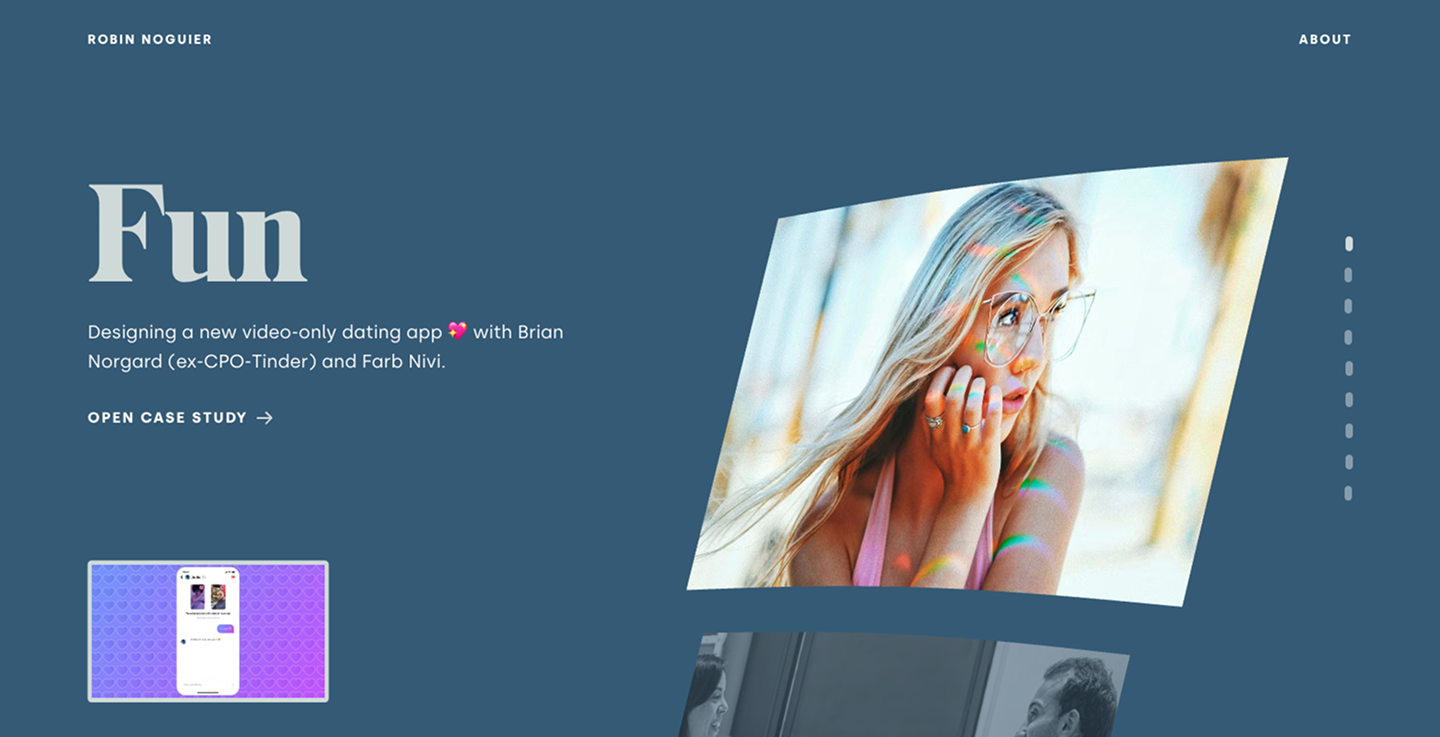
A portfolio website serves as tangible proof of a professional’s capabilities, showcasing real work that highlights skills and accomplishments. By presenting a curated collection of previous projects, individuals can offer potential clients and employers direct evidence of their expertise, which is far more impactful than a traditional CV. Furthermore, including testimonials from satisfied clients can enhance trustworthiness, as they provide personal endorsements that validate the professional’s abilities.
Regular updates to the portfolio are essential, as they reflect ongoing professional development and keep content relevant. This practise not only shows that the individual is actively engaged in their field but also allows them to adapt to changing industry standards. Highlighting certifications or awards further contributes to establishing credibility, as these accolades signify a commitment to excellence.
A well-crafted professional biography adds a personal touch, allowing visitors to connect with the individual behind the work. Adding case studies can effectively illustrate problem-solving skills and project outcomes, providing a deeper understanding of the professional’s approach and successes. Moreover, linking to published work or media coverage can enhance perceived authority, positioning the individual as a knowledgeable figure in their industry.
A consistent design across the portfolio reflects professionalism and attention to detail, two qualities that potential clients often seek. Showcasing collaborations with reputable brands or individuals can elevate one’s status, suggesting a level of trustworthiness and expertise. Finally, utilising analytics tools to track engagement can demonstrate the portfolio’s effectiveness, providing insights that can inform future updates and strategies.
| Credibility Factors | Description |
|---|---|
| Portfolio Display | A portfolio displays real work, providing evidence of skills and accomplishments. |
| Client Testimonials | Including testimonials from previous clients enhances trustworthiness. |
| Regular Updates | Regular updates to the portfolio keep it relevant and showcase ongoing professional development. |
| Certifications or Awards | Highlighting certifications or awards adds further credibility. |
| Professional Biography | A professional biography adds a personal touch, establishing a connection with visitors. |
| Case Studies | Case studies can illustrate problem-solving abilities and project outcomes. |
| Published Work Links | Linking to published work or media coverage can enhance perceived authority. |
| Consistent Design | A consistent design reflects professionalism and attention to detail. |
| Collaborations | Showcasing collaborations with reputable brands or individuals can elevate status. |
| Analytics Tracking | Utilising analytics tools to track engagement can demonstrate the portfolio’s effectiveness. |
2. Controlling Your Personal Brand Online
A personal website serves as a powerful tool for professionals to manage their online presence. By curating the presentation of their skills and experiences, individuals can highlight what they deem most important, thus maintaining narrative control over how they are perceived. This is particularly crucial in a digital landscape where first impressions are often formed based on online content. Consistency in branding across various platforms reinforces identity and messaging, making it easier for others to recognise and remember a professional’s unique attributes. Additionally, a blog section can further establish expertise by allowing professionals to share insights and thoughts, providing a deeper understanding of their knowledge and perspective.
Moreover, a professional email address linked to the domain enhances credibility, giving a more polished appearance to communications. Engaging with visitors through comments or feedback fosters a sense of community, encouraging interaction and dialogue. It is important that social media links align with the personal brand narrative, ensuring a cohesive online identity. Customised URLs also play a role in strengthening brand recall and searchability, making it easier for potential clients or employers to find and remember a professional’s website. By highlighting personal projects or initiatives, individuals can showcase their passion and commitment to their field, further enhancing their brand image. Regularly revisiting and updating content keeps the brand fresh and engaging, signalling to visitors that the professional is active and invested in their work.
- A personal website allows for a curated presentation of skills and experiences.
- Professionals can choose what to share and how to present it, maintaining narrative control.
- Consistency in branding across platforms reinforces identity and messaging.
- A blog can reflect thoughts and insights, further establishing expertise.
- Using a professional email address linked to the domain enhances credibility.
- Engaging with visitors through comments or feedback can build a community.
- Social media links should align with the personal brand narrative.
- Customised URLs can strengthen brand recall and searchability.
- Highlighting personal projects or initiatives showcases passion and commitment.
- Regularly revisiting and updating content keeps the brand fresh and engaging.
3. Gaining a Competitive Advantage
 Credits: powerslides.com
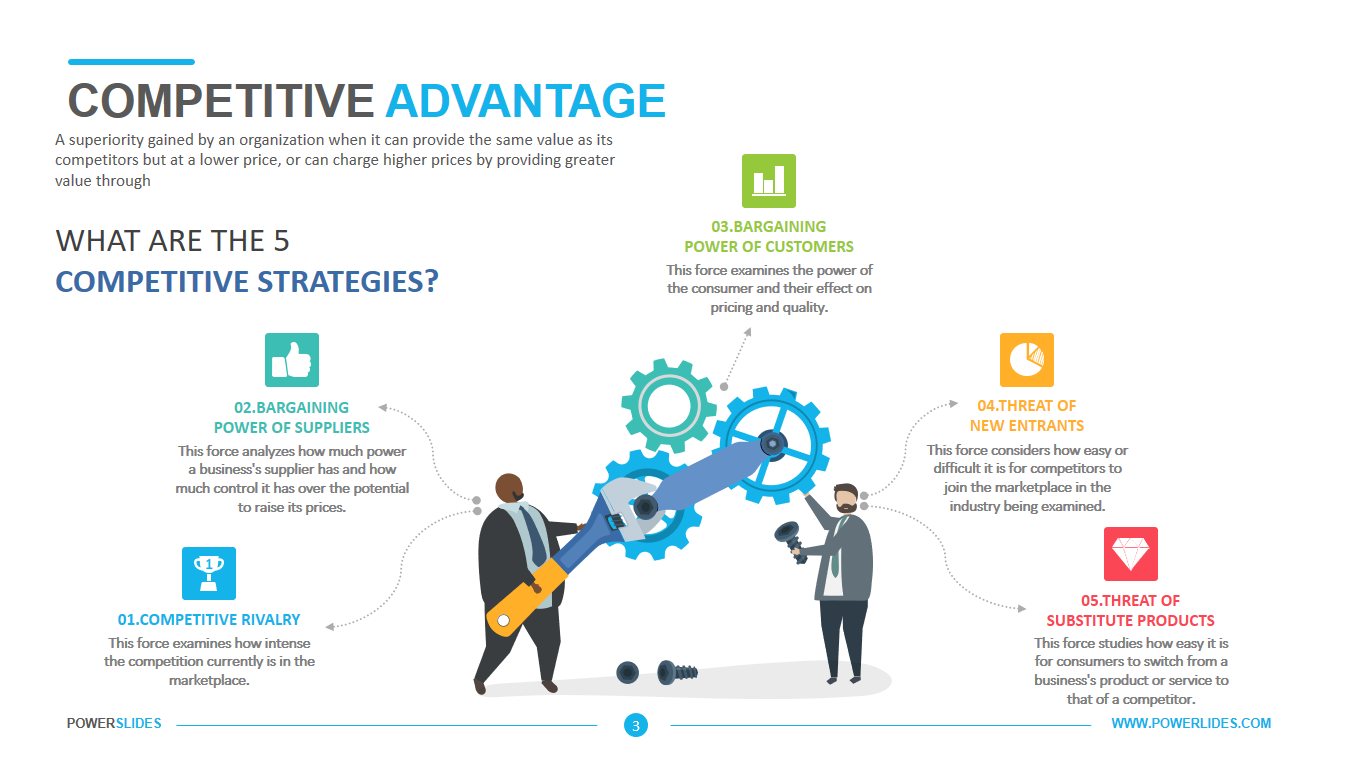
In today’s competitive landscape, a well-structured portfolio website can set a professional apart from the rest. By visually showcasing skills and projects, it creates a distinct identity that resonates with potential clients or employers. Including specific metrics or results in case studies adds to this appeal, demonstrating tangible outcomes from past work. A unique design, tailored to reflect personal style, can capture attention and leave a lasting impression. Furthermore, offering downloadable content such as CVs or portfolios gives visitors added value and serves as a tangible takeaway. Specialising in niche skills can attract targeted opportunities, making it easier to connect with the right audience. An online presence also simplifies sharing and referrals through various digital channels, expanding reach. Collaborating with influencers or industry leaders can further enhance visibility, while incorporating video content provides dynamic engagement. Strategically utilising SEO practises can improve search rankings, ensuring more visitors discover the portfolio. Lastly, analysing competitors’ portfolios can reveal areas for improvement, guiding professionals to differentiate themselves effectively.
4. Enhancing Your Online Visibility
A portfolio website significantly improves a professional’s online visibility through enhanced search engine optimisation (SEO). By incorporating relevant keywords associated with their profession, individuals can attract targeted traffic, making it easier for potential clients or employers to find them. For instance, a graphic designer might use terms like ‘creative branding’ or ‘digital illustration’ to draw in specific audiences. Regular blogging not only boosts site visits but also establishes the professional’s authority in their field, as fresh content is favoured by search engines. Additionally, employing alt text for images improves both accessibility and SEO, ensuring that the website is discoverable by a wider audience. Creating shareable content, such as infographics or insightful articles, can encourage visitors to promote the portfolio on their own platforms. Engaging in online communities, and linking back to the portfolio, can further drive traffic. Networking with other professionals often leads to reciprocal links and referrals, enhancing visibility even more. Furthermore, implementing local SEO strategies can attract clients or employers in the vicinity. An active presence on social media platforms will also help direct traffic to the website, as these platforms are crucial for professional exposure. It is essential to regularly monitor and update SEO strategies to maintain this visibility over time, ensuring that the portfolio remains relevant in a dynamic digital landscape.
5. Creating a Centralised Hub for Your Work
A personal website functions as a central hub for all your professional materials and links. This singular platform allows you to consolidate your work, making it easier for potential clients and employers to access your portfolio. Including a blog not only showcases your skills but also centralises your thoughts and insights, providing additional context to your expertise. Furthermore, having a dedicated contact page simplifies inquiries and communications, ensuring that all interactions occur in one location.
By integrating links to your social media profiles, you create a cohesive online presence that reflects your professional persona across various platforms. Organising content by categories or projects enhances navigation, helping visitors quickly find what they are looking for. A clear call-to-action on your site can guide visitors towards desired outcomes, whether that be contacting you for work or subscribing to your newsletter.
Offering downloadable resources, such as e-books or guides, adds value to your site and encourages return visits. A well-structured homepage can summarise your key offerings, directing traffic efficiently and ensuring that visitors understand your core competencies at a glance. Utilising analytics tools provides insights into visitor behaviour and preferences, allowing you to tailor your content to better meet the needs of your audience. Regularly updating this central hub is essential to keep it relevant and engaging, ensuring that it remains a vital asset in your professional toolkit.
6. Boosting Networking Opportunities
 Credits: ixdf.org
A portfolio website is a powerful tool for expanding networking opportunities. It serves as a showcase for skills and expertise, allowing potential collaborators and clients to see what professionals can offer. By including a contact form, individuals make it easy for interested parties to reach out directly, facilitating potential partnerships. Highlighting past collaborations can attract like-minded professionals, establishing connections that may lead to new projects. Sharing the portfolio on social media platforms can significantly widen the reach, enabling professionals to connect with diverse audiences and industry peers. Engaging in relevant forums or groups can further enhance networking, as these platforms often provide opportunities to communicate with others in the same field. Attending industry events and sharing the portfolio website can also create valuable connections, as face-to-face interactions often leave a lasting impression. Incorporating a newsletter sign-up feature can help build a community, allowing for ongoing engagement and relationship fostering. Additionally, partnerships with others can lead to cross-promotion, enhancing visibility and networking potential. Utilising LinkedIn to share updates about the portfolio can target a professional audience effectively, while offering to guest post on other platforms can further expand networking opportunities, providing exposure to new audiences.
7. Showcasing Your Skills and Expertise
A portfolio website is an essential tool for professionals to effectively showcase their skills and expertise in a visually engaging manner. It should highlight a diverse range of abilities relevant to the specific field, whether it be marketing, design, or consulting. Including visuals, such as infographics or videos, can significantly enhance visitor engagement and comprehension of the showcased work.
Detailed project descriptions provide necessary context for the skills displayed, allowing viewers to understand the significance of each piece. Furthermore, incorporating client feedback adds credibility, demonstrating to potential clients or employers that others have recognised the professional’s capabilities.
Organising work samples into categories can improve navigation, making it easier for visitors to find relevant examples. Highlighting unique projects or specialised skills can attract specific opportunities that align with the professional’s career aspirations. Utilising case studies can further illustrate the real-world application of skills, showcasing the problem-solving abilities and outcomes achieved.
Incorporating statistics or metrics can serve as evidence of success, providing potential clients with measurable results. Including certifications or training can also validate expertise, establishing the professional as a credible authority in their field. To remain relevant, it is crucial to regularly update the portfolio with new skills or projects, ensuring that the content reflects the current capabilities and trends within the industry.
8. Designing an Effective Portfolio Website
An effective portfolio website should feature a clean and professional layout that facilitates easy navigation. This is essential for retaining visitors and guiding them through your work seamlessly. High-quality images and graphics are vital, as they enhance the visual appeal and engagement of the site. Consistent colour schemes and fonts contribute to a cohesive look, reinforcing your brand identity. An easily accessible menu can significantly improve user experience, allowing visitors to find what they need without frustration. Optimising loading times is also crucial, as slow performance can lead to increased bounce rates. Given the prevalence of mobile browsing, prioritising mobile-friendliness is non-negotiable, ensuring that your website is functional on all devices. Incorporating whitespace can greatly improve readability and focus, allowing visitors to concentrate on your work without distraction. User-friendly forms should be included to facilitate inquiries without overwhelming visitors, making it easy for potential clients to get in touch. Furthermore, utilising testimonials or case studies can enhance your credibility and appeal, providing social proof of your skills and successes. Regularly testing the website’s functionality is essential to ensure a smooth user experience, allowing you to identify and rectify any issues promptly.
9. Ensuring Mobile Responsiveness
A mobile-responsive design is crucial for any portfolio website, as it adjusts content to fit various screen sizes and devices. With over 60% of business research happening on mobile, ensuring that your portfolio is accessible on smartphones and tablets is essential. Using responsive frameworks or templates can simplify the design process, making it easier to create a site that looks good on all devices. Regular testing on multiple devices helps ensure compatibility and usability, allowing you to identify any issues that may hinder user experience.
Navigation should be straightforward and intuitive on mobile platforms, as users expect to find information quickly and easily. Additionally, optimising images for mobile can significantly enhance loading speed, which is vital for retaining visitors. Prioritising essential content for mobile users can lead to improved engagement, as users are likely to appreciate a streamlined experience tailored to their needs. Incorporating touch-friendly buttons also enhances usability, making it easier for mobile users to interact with your site.
Monitoring analytics can provide valuable insights into mobile user behaviour and preferences, enabling you to make informed adjustments. Regular updates to mobile features are necessary to keep up with technological advancements, ensuring your portfolio remains relevant. Finally, ensuring fast loading speeds on mobile can reduce bounce rates and increase conversions, making your portfolio website not just a showcase of your work, but a powerful tool in your professional arsenal.
10. Integrating with Marketing Strategies
A portfolio website should complement broader marketing goals and strategies. By utilising SEO best practises, professionals can enhance their discoverability and attract more traffic to their site. Incorporating social sharing buttons encourages visitors to promote content across their networks, increasing visibility. Aligning visuals and messaging with brand identity not only strengthens the impact of the portfolio but also ensures consistency across all platforms. Using analytics to track performance can help professionals refine their marketing strategies based on real data. Integrating email marketing can drive traffic to the portfolio and engage visitors effectively. Moreover, collaborating with marketing teams can ensure that messaging remains consistent and aligned with overall brand objectives. Employing content marketing strategies enhances authority and extends reach, establishing the professional as a thought leader in their field. Regularly assessing the portfolio’s effectiveness in achieving marketing goals provides valuable insights for improvement. Participating in online marketing forums can also offer additional strategies and insights, allowing professionals to stay updated on the latest trends and best practises.
Frequently Asked Questions
Why is having a portfolio website important for professionals in 2026?
A portfolio website allows professionals to showcase their skills, experience, and work in a structured manner, which is crucial in a competitive job market.
How can a portfolio website enhance my career prospects?
Having a well-designed portfolio website can make you stand out to potential employers by demonstrating your abilities and creativity effectively.
What key elements should I include on my portfolio website?
Essential elements include a clear introduction, examples of your work, a professional biography, and contact information, ensuring that it reflects your personal brand.
Is it necessary to update my portfolio website regularly?
Yes, regularly updating your portfolio ensures that it reflects your latest work and skills, which is important to show your growth and relevance in your field.
Can a portfolio website help with networking opportunities?
Absolutely, a portfolio website can serve as a tool for networking, allowing others to view your work and connect with you easily.
TL;DR In 2026, a portfolio website is vital for professionals to establish credibility, control their personal brand, and enhance online visibility. It serves as a central hub for showcasing skills, facilitates networking, and provides a competitive edge. Key considerations include effective design, mobile responsiveness, and integration with marketing strategies. By leveraging these aspects, professionals can significantly advance their careers and business opportunities.