

Your Complete Guide to Building a Strong Brand Strategy
Building a strong brand strategy is essential for businesses aiming to effectively communicate their values and differentiate themselves in the market. A well-defined strategy includes crucial elements such as the brand’s purpose, mission, vision, and values. The process starts with a comprehensive discovery phase that involves market research and competitor analysis to understand target audiences better. It then progresses to crafting a unique brand identity through visual and verbal elements. Effective messaging helps create emotional connections with consumers, while ongoing monitoring of brand health ensures adapting strategies based on feedback. Ultimately, this approach fosters lasting connections with audiences and enhances loyalty over time.
Table of Contents
- Understanding Brand Strategy
- Key Components of a Brand Strategy
- Steps to Develop a Strong Brand Strategy
- Branding Methods
- Crafting Brand Messaging
- Building a Strong Brand Identity
- Monitoring Brand Health
- Case Studies of Successful Brand Strategies
- Frequently Asked Questions
1. Understanding Brand Strategy

Credits: visme.co
A brand strategy is a long-term plan that defines how a brand communicates, differentiates, and delivers value to its target audience. It encompasses the brand’s mission, vision, values, and positioning within the market. This strategy is crucial as it outlines the unique value a brand offers to its consumers, providing direction for branding efforts and ensuring that all marketing activities are aligned. By understanding the target audience, businesses can develop an effective brand strategy that establishes a strong presence in the market.
The brand strategy should reflect the brand’s ethos and core beliefs, ensuring that it resonates with the intended audience. As market trends and consumer preferences evolve, so too should the brand strategy, allowing for adaptability and relevance. Clear communication of the brand’s message is paramount, as it helps to build recognition, trust, and loyalty among consumers. An effective brand strategy also mitigates risks associated with market competition, providing a framework for decision-making and action.
Research and analysis play a critical role in shaping a successful brand strategy. By gathering insights on consumer behavior and market dynamics, brands can make informed choices that align with both short-term and long-term goals. Ultimately, a well-defined brand strategy serves as a roadmap for consistency across all brand touchpoints, guiding businesses in their efforts to create meaningful connections with their audience.
2. Key Components of a Brand Strategy
Credits: blog.hubspot.com
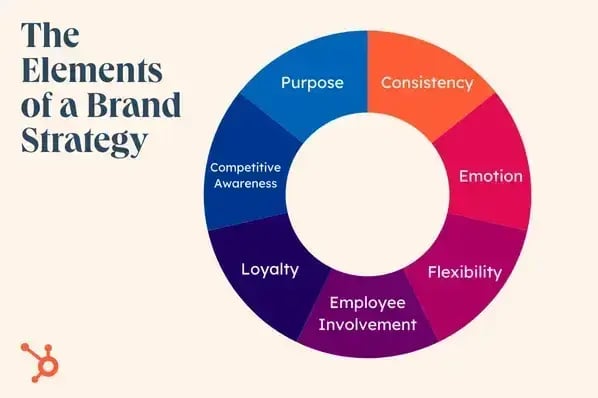
A strong brand strategy is built on several key components that work together to create a cohesive identity and message. First, the brand purpose serves as the foundation for all branding initiatives. This is the fundamental reason for the brand’s existence beyond mere profit. Next is the brand mission, which defines the actions taken to fulfill this purpose. It outlines how the brand will operate and achieve its goals.
The brand vision articulates where the brand aims to be in the future, providing a long-term direction that guides decision-making. Equally important are the brand values, which are essential for maintaining consistency in messaging and behavior. These values reflect the core beliefs that guide the brand’s actions and help build trust with consumers.
Brand positioning is another critical element, as it differentiates the brand from its competitors in the minds of consumers. It clarifies how the brand is perceived in comparison to others in the market. Complementing this is the customer value proposition, which clarifies the benefits customers can expect from the brand, both tangible and intangible.
Brand identity encompasses the visual and verbal elements that represent the brand, including logos, color schemes, and messaging styles. The brand voice establishes the tone used in communication across various platforms, ensuring that the brand speaks consistently to its audience. Finally, the brand experience encompasses all interactions a consumer has with the brand, from advertisements to customer service, influencing overall perception and loyalty. Building brand trust is vital, as it is achieved through the consistent delivery of promises and positive experiences.
| Component | Description |
|---|---|
| Brand Purpose | The fundamental reason for the brand’s existence beyond making profits. |
| Brand Mission | How the brand works to achieve its purpose. |
| Brand Vision | The ultimate goal or success the brand aims to achieve. |
| Brand Values | Core beliefs that guide the brand’s behavior and decisions. |
| Brand Positioning | How the brand differentiates itself from competitors in the market. |
| Customer Value Proposition | The tangible and intangible value the brand offers to its customers. |
3. Steps to Develop a Strong Brand Strategy

Credits: thebrandingjournal.com
To develop a strong brand strategy, start with thorough market research. This involves gathering insights on consumer preferences and understanding their behaviors. Next, identify key competitors in your niche and analyze their branding strategies to find opportunities for differentiation. Once you have this information, define your target audiences through detailed segmentation and persona development, which helps in creating tailored marketing efforts.
After understanding your audience, craft a unique brand identity that resonates with them. This includes developing visual elements like logos and color schemes, alongside verbal elements such as messaging and tone of voice. A consistent messaging framework should then be created, ensuring that it reflects your brand’s core values.
Establish brand guidelines to maintain uniformity across all platforms, from social media to packaging. Implement your brand strategy across all marketing channels and touchpoints, ensuring a cohesive experience for consumers. To gauge the effectiveness of your strategy, monitor brand metrics, such as recognition and engagement, and gather feedback from customers to understand brand perception.
Finally, continuously refine your brand strategy based on market trends and consumer behavior. This iterative process allows you to stay relevant and enhances your brand’s connection with your audience.
- Begin with thorough market research to gather insights on consumer preferences.
- Identify key competitors and analyze their branding strategies.
- Define target audiences through segmentation and persona development.
- Craft a unique brand identity that resonates with the audience.
- Develop a consistent messaging framework that reflects the brand’s values.
- Create brand guidelines to ensure uniformity across all platforms.
- Implement the brand strategy across all marketing channels and touchpoints.
- Monitor the effectiveness of the strategy through brand metrics.
- Gather feedback from customers to assess brand perception and make adjustments.
- Continuously refine the brand strategy based on market trends and consumer behavior.
4. Branding Methods
Branding methods are crucial for defining how a brand connects with its audience and differentiates itself in the market. Attitude branding focuses on creating an emotional bond with consumers, often aiming to evoke feelings that resonate with their values and aspirations. For example, brands like Coca-Cola use attitude branding by promoting happiness and togetherness in their campaigns.
Individual branding allows each product to have its own unique identity, which can be advantageous in markets with diverse consumer preferences. Procter & Gamble utilizes this method, marketing products like Tide and Gillette under separate brand names to cater to specific consumer needs.
Co-branding involves partnerships between two or more brands to enhance value and reach. A notable example is the collaboration between Nike and Apple, integrating fitness tracking technology into footwear, thus providing a multifaceted experience for consumers.
Umbrella branding, on the other hand, employs a single brand name for multiple products, creating a sense of unity. An example of this is Virgin, which encompasses various sectors like music, airlines, and telecommunications under one recognizable brand.
Personal branding is about individuals promoting themselves and their careers, often seen in professionals using social media to establish their expertise and connect with their audience. Digital branding capitalizes on online platforms and social media, using strategies to enhance brand visibility and engagement in the digital space. Companies like Glossier effectively utilize digital branding by fostering a community on social media, which directly influences their branding approach.
Service branding emphasizes the quality and perception of services offered, aiming to build trust and satisfaction. Brands like Zappos excel in service branding by providing exceptional customer service that reinforces their brand identity. Product branding focuses on highlighting the unique features and benefits of a product to differentiate it from competitors, such as Tesla, which emphasizes innovation and sustainability in its vehicles.
Cultural branding connects the brand with cultural values and movements, making it relevant to consumers’ lives. For instance, brands like Nike often align with social movements, using their platform to advocate for causes that resonate with their audience. Lastly, cause branding associates the brand with social causes to enhance its image, as seen with TOMS Shoes, which donates a pair of shoes for every pair sold, thus appealing to socially conscious consumers.
5. Crafting Brand Messaging
Crafting effective brand messaging is crucial for connecting with your audience. Start by creating a messaging framework that captures the brand’s essence, using simple and clear language to ensure the message is easily understood. Incorporate storytelling elements to engage the audience, making them feel a connection to the brand’s journey and values. Highlight the brand’s unique selling points in all communications, ensuring these points are front and center. Consistency is key, so maintain uniform messaging across all channels and touchpoints, adapting it to resonate with different audience segments as needed. Visuals can also enhance messaging, making it more memorable and impactful. Monitor audience reactions to your messaging, and be prepared to adjust based on feedback. Testing various messages will help identify which resonates best with your target audience, allowing for continuous improvement. Finally, build a narrative that reflects not just what your brand offers, but why it matters.
6. Building a Strong Brand Identity
Building a strong brand identity is essential for establishing a connection with your audience. Start by developing a cohesive visual identity that includes your logo, color palette, and typography. These design elements should reflect your brand’s personality and values. For example, a playful brand might use bright colors and fun typography, while a luxury brand may opt for muted tones and elegant fonts.
Creating a memorable logo is a crucial step. Your logo should embody the essence of your brand, making it recognizable and meaningful. Consider how brands like Nike use their iconic swoosh to convey motion and aspiration.
Color plays a significant role in evoking emotions. Choose a color palette that aligns with the feelings you want your audience to associate with your brand. For instance, blue can convey trust and reliability, while red often signifies passion and energy.
Typography should be legible and complement your overall brand identity. The right font can enhance your messaging and help communicate your brand’s character.
Defining the brand’s personality traits is also vital. Identify traits like adventurous, sophisticated, or friendly, and ensure they are communicated consistently through all brand interactions.
Imagery is another powerful tool in brand identity. Use visuals that resonate with your target audience and support your brand messaging. Consistency across all marketing materials and platforms strengthens recognition and trust.
Lastly, remember that brand identities can evolve. Regularly refresh your brand identity to keep it relevant and modern. Gather feedback from your audience to ensure your brand identity resonates and effectively communicates your message.
7. Monitoring Brand Health
Monitoring brand health is crucial for understanding how effectively your brand resonates with your audience. Start by identifying key performance indicators (KPIs) that align with your brand goals. These can include metrics such as brand awareness, customer engagement, and loyalty. Surveys and polls are effective tools for gathering customer feedback on their perceptions of your brand, helping you understand how well your messaging and identity are received.
Social media engagement is another important aspect to analyze. By measuring likes, shares, comments, and followers, you can assess your brand’s presence and reach across digital platforms. Additionally, monitoring brand mentions and sentiment analysis can provide insights into how your brand is perceived in real-time, allowing you to address any negative feedback promptly.
Sales data is a direct indicator of brand effectiveness in the market. By evaluating sales trends and customer purchase behavior, you can gauge how well your brand meets customer needs. Tracking customer loyalty and retention rates also serves as a valuable metric; higher retention often indicates a strong brand connection.
Conducting regular brand audits is essential for ensuring alignment with your brand strategy. This process involves reviewing your branding elements and messaging to verify they match your defined brand purpose and values. Based on the data collected, be prepared to implement changes aimed at improving brand health. Regularly reviewing brand performance and adjusting strategies as needed will help you stay relevant in a changing market.
Engaging with customers consistently fosters relationships and strengthens brand loyalty. By creating channels for open communication, you can better understand their needs and expectations, which ultimately supports your overall brand strategy.
8. Case Studies of Successful Brand Strategies
Nike stands out for its focus on inspiration and empowerment, using storytelling to create a strong emotional connection with consumers. This approach transforms the brand into a lifestyle choice rather than just a product. Airbnb differentiates itself in the hospitality sector by emphasizing community and authentic experiences, setting a tone that resonates with travelers seeking more than just a place to stay. Apple has built its brand around innovation and a premium user experience, targeting high-end markets and establishing a clear identity as a leader in technology. Coca-Cola fosters strong brand recognition through consistent messaging across various platforms, which helps build loyalty among consumers. Tesla appeals to environmentally conscious consumers by focusing on sustainability and cutting-edge technology, positioning itself as a forward-thinking brand. Starbucks enhances customer relationships through personalized experiences and community involvement, creating a sense of belonging among its patrons. Amazon prioritizes customer satisfaction with its customer-centric approach, consistently delivering convenience and value. Red Bull’s extreme sports marketing strategy not only promotes its product but also creates a unique brand culture that attracts adventurous consumers. McDonald’s adapts its menu to local tastes while maintaining brand consistency, ensuring it meets the diverse preferences of global markets. Lastly, Lego encourages creativity and imagination, reinforcing its brand identity in the toy market and appealing to both children and adults.
Frequently Asked Questions
What is a brand strategy and why is it important?
A brand strategy is a plan that identifies how a business wants to present itself to consumers and what it wants them to feel about the brand. It is important because it helps create a strong identity, builds customer loyalty, and differentiates the brand from competitors.
How can I define my target audience for my brand?
To define your target audience, start by researching who your ideal customers are based on demographics, interests, and behaviors. You can use surveys, social media analysis, and market research to gather insights that will help you understand who you should focus on.
What elements should I include in my brand messaging?
Your brand messaging should include your brand’s story, values, mission, and unique selling proposition. These elements help communicate what your brand stands for and connect with your audience emotionally.
How do I measure the success of my brand strategy?
You can measure the success of your brand strategy by monitoring metrics such as brand awareness, customer loyalty, sales growth, and engagement on social media. Using tools like surveys and analytics can provide valuable insights into your brand’s performance.
What role does consistency play in branding?
Consistency is crucial in branding because it helps reinforce your brand’s identity and builds trust with customers. When your messaging, visuals, and customer experience are uniform across all touchpoints, it strengthens recognition and fosters loyalty.
TL;DR This guide outlines the essentials of building a strong brand strategy, covering key components such as brand purpose, mission, vision, values, positioning, and customer value proposition. It details steps for developing a strategy, including market research, audience definition, and identity crafting. Various branding methods are explored, along with tips for creating effective messaging and a cohesive brand identity. Lastly, it emphasizes the importance of monitoring brand health through metrics and customer feedback, while showcasing case studies of successful brands like Nike, Airbnb, and Apple. A strong brand strategy is an ongoing process that fosters audience connection and market adaptability.