

How to Use AI to Scale Your Content Creation Without Losing Your Soul
Incorporating AI into content creation can significantly enhance efficiency while preserving the essence of your brand. Primarily, leveraging AI to manage repetitive tasks allows creators to focus on the more creative and strategic facets of their work. For effective utilisation, consider allowing AI to draught initial content or automate time-consuming research and optimisation processes. It is essential to establish clear guidelines for style and tone when working with AI output, ensuring that any generated content aligns with your brand’s voice. Additionally, maintaining a human touch through thorough editing and including personal stories will foster deeper connections with readers, ultimately aiding in authentic engagement.
Table of Contents
- Feedback and Continuous Improvement in Content
- Tools and Technologies for AI Integration
- Best Practices for Using AI in Content Creation
- Frequently Asked Questions
Feedback and Continuous Improvement in Content
 content strategy\” style=”width: 50%; height: auto; margin: 0 auto; display: block; min-width: 250px;” />Credits: lloydmelnick.com
To effectively scale content creation, it is essential to establish clear metrics for evaluating performance. Focus on key indicators such as engagement, reach, and conversion rates to gauge success. Encourage team members to share insights from audience interactions, as this collaboration can refine content strategies. Implement A/B testing to discover which formats or headlines resonate best with your audience, providing valuable data for future content.
Gathering feedback from readers through surveys or comments can offer a deeper understanding of their preferences and needs. Regularly reviewing content performance data will help identify successful elements and areas that require improvement. Creating a culture of experimentation allows teams to test new ideas and learn from failures without fear of repercussions.
Holding regular review meetings to discuss content outcomes and strategise future directions fosters accountability and innovation. Incorporating user-generated content not only serves as feedback but also improves authenticity by showcasing audience contributions. Utilising AI analytics tools can help identify consumption patterns, allowing for adjustments in strategy based on data-driven insights.
Documenting lessons learned from feedback and performance audits ensures continuous knowledge sharing within the team, making it easier to build on past successes and address shortcomings.
| Metric Type | Description | Purpose |
|---|---|---|
| Engagement | Measures how actively users interact with content (likes, shares, comments) | To assess the relevance and appeal of content to the audience |
| Reach | Indicates the total number of people who see the content | To evaluate the brand’s visibility and broad audience interest |
| Conversion Rates | Percentage of users taking a desired action after interacting with content (e.g., signing up, purchasing) | To determine the effectiveness of content in driving business goals |
| A/B Testing | Comparing two versions of content to see which performs better | To optimise content elements based on data-driven results |
| Surveys | Collecting user feedback to gauge satisfaction and preferences | To understand audience needs and improve content alignment |
| Analytics Review | Regular assessment of content performance data | To identify trends and inform future content strategies |
| User-Generated Content | Incorporating audience contributions as feedback | To enhance authenticity and engagement through community involvement |
| AI Analytics Tools | Utilising AI for in-depth content consumption analysis | To adjust strategies based on identified consumption patterns |
| Lessons Documented | Keeping track of insights gained from performance audits | To ensure continuous knowledge sharing within the team |
Tools and Technologies for AI Integration
 Credits: contentqueenmariah.com
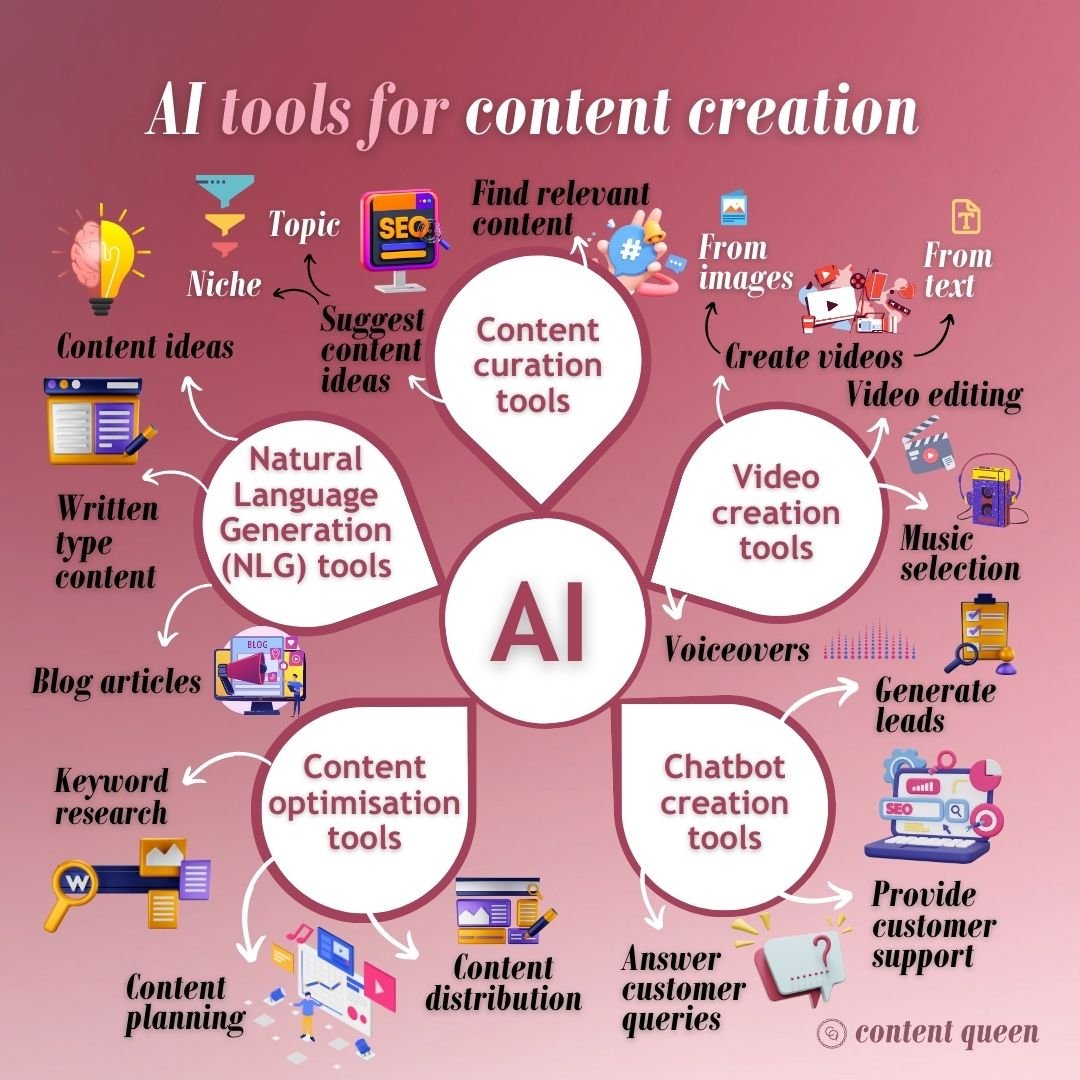
To effectively integrate AI into your content creation process, begin by researching tools specifically designed for content creation, curation, and analysis. Look for AI platforms that can seamlessly integrate with your existing content management systems, enhancing your workflow efficiency. For instance, tools like Grammarly or ProWritingAid can serve as AI-driven writing assistants, helping improve grammar, style, and readability of your content.
Additionally, consider platforms that provide real-time analytics to assess content performance and audience engagement. Tools such as Google Analytics or HubSpot can help you track how your content is performing, allowing for data-driven decisions in your strategy.
Automation is another key area where AI can be beneficial. Explore tools that automate social media posting and scheduling, such as Buffer or Hootsuite, to maintain a consistent online presence without manually managing each post.
When selecting AI tools, evaluate the user experience to ensure they are easy to navigate and use for your team. A user-friendly interface can increase adoption rates and overall satisfaction. Moreover, utilise AI for keyword research and SEO optimisation, ensuring your content is discoverable by the right audience.
Incorporating AI tools that help personalise content for different audience segments based on their behaviour can also enhance engagement. Platforms like Optimizely allow for tailored content experiences, improving user interaction.
Staying updated on emerging AI technologies is crucial, as new tools may offer innovative solutions to enhance your content creation process. Finally, investing in training for your team is essential to maximise the potential of the selected AI tools; this will ensure they are used effectively and efficiently.
- Research AI tools that are specifically designed for content creation, curation, and analysis.
- Select tools that integrate seamlessly with existing content management systems to enhance workflow efficiency.
- Consider using AI-driven writing assistants to improve grammar, style, and readability of content.
- Explore platforms that offer real-time analytics to assess content performance and audience engagement.
- Look for tools that can automate social media posting and scheduling to maintain a consistent online presence.
- Evaluate user experience when selecting AI tools, ensuring they are easy to navigate and use for your team.
- Utilise AI for keyword research and SEO optimisation to ensure content is discoverable.
- Incorporate tools that can help in personalising content for different audience segments based on their behaviour.
- Stay updated on emerging AI technologies that could further improve or innovate your content creation process.
- Invest in training for your team to maximise the potential of the selected AI tools.
Best Practices for Using AI in Content Creation
 Credits: scalenut.com
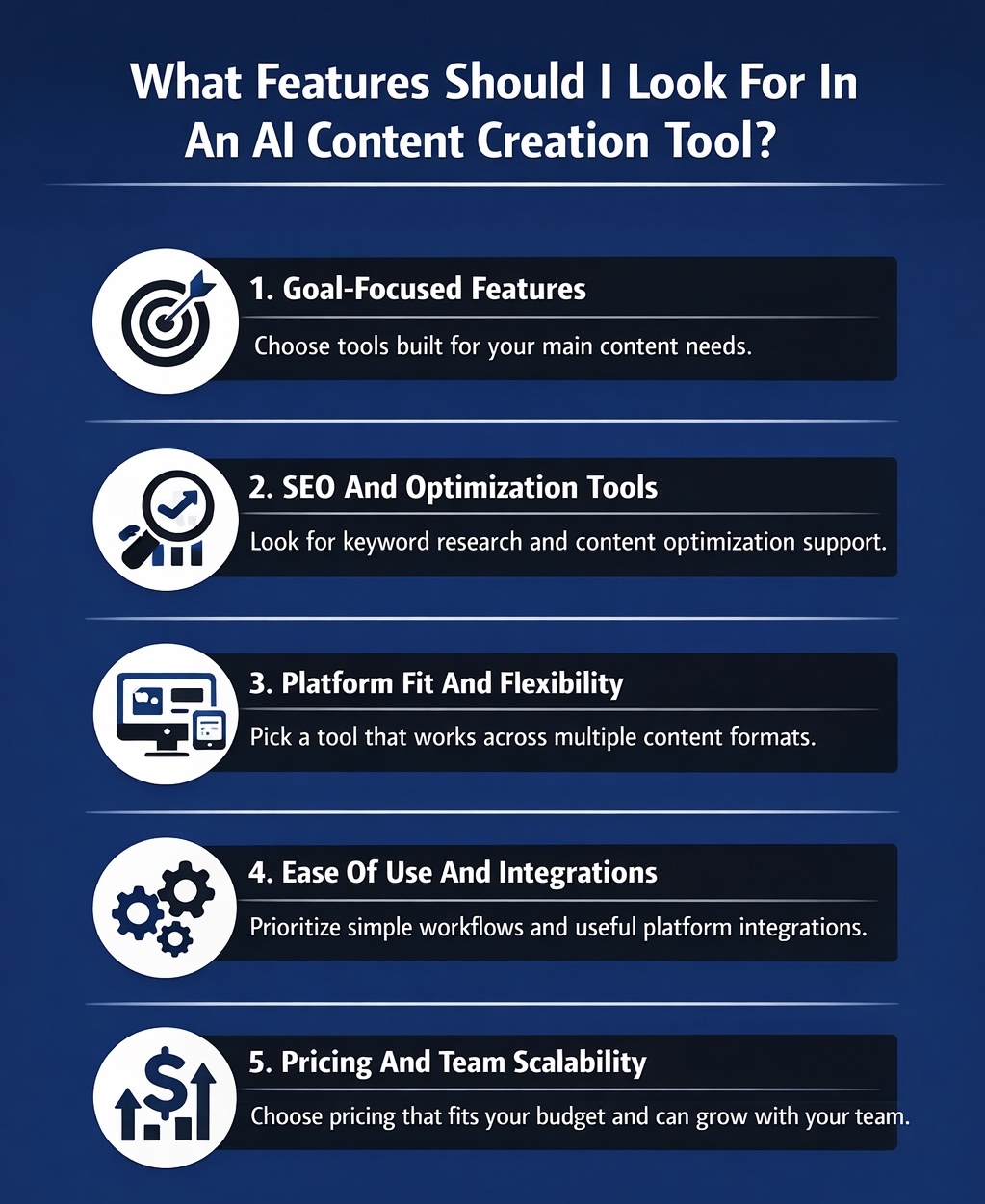
Defining clear objectives for using AI in content production is essential, as it ensures alignment with your overall business goals. Begin by automating low-risk tasks, as this allows for a smooth transition and integration into your existing workflow. It is crucial to maintain a consistent review process for AI-generated content to uphold quality standards, involving regular checks to ensure that the content meets your brand’s expectations. Collaboration between AI tools and human creativity should be encouraged, allowing content creators to enhance AI outputs with their unique insights.
Human oversight in the content approval process is also vital, ensuring that all content aligns with your brand values and voice. Documenting best practises and guidelines for using AI in content creation provides clarity for team members, promoting effective collaboration. Staying updated on advancements in AI technology enables you to continuously refine and improve your content strategies, ensuring that you remain competitive in the market.
Training staff on the ethical use of AI is necessary, raising awareness of potential biases in AI outputs to mitigate any negative impacts. Utilising AI for audience analysis can help tailor content to meet the specific interests and needs of your target demographic, driving engagement and relevance. Finally, regularly evaluating the impact of AI-generated content on your overall content strategy allows for necessary adjustments, ensuring that your approach remains effective and aligned with your objectives.
Frequently Asked Questions
How can AI help in creating content more quickly?
AI can analyse data and generate ideas, drafts, or even full articles in a fraction of the time it takes a human, thereby speeding up the content creation process.
Will using AI mean my content is less personal?
AI can produce content based on your style and preferences, allowing you to maintain a personal touch while saving time.
Is it ethical to use AI for content creation?
Using AI is ethical as long as you are transparent about its use and ensure that the content adheres to quality standards, reflecting your values.
Can AI understand my target audience?
AI can analyse audience behaviour and preferences through data, helping to create content that resonates with your audience more effectively.
How can I ensure my content remains original when using AI?
By combining AI-generated content with your own insights and revisions, you can maintain originality while benefiting from the efficiency of AI.
TL;DR This blog post explores how to effectively use AI to enhance content creation without sacrificing authenticity. It discusses the role of AI in automating tasks, maintaining brand voice, and scaling content production. Key strategies include using AI for initial drafts, setting clear guidelines, leveraging data insights, and incorporating interactive elements. The importance of feedback and continuous improvement, along with the right tools, is emphasised. Best practices are provided to ensure a balance between AI assistance and human creativity.