

Why Your Small Business Isn’t Growing: The Common Marketing Mistakes to Avoid
Small businesses often face stagnation due to common marketing mistakes that can hinder growth. Firstly, a lack of a clear brand identity can confuse customers, making it essential to establish consistent logos and messaging. Additionally, targeting too broad an audience leads to wasted resources; businesses should focus their efforts on specific customer profiles. Ignoring digital presence is another pitfall; an outdated website or incomplete profiles can deter potential clients. Moreover, neglecting analytics means decisions are made without data backing them up. By addressing these issues, along with ensuring consistency in execution and innovating strategies, small enterprises can significantly enhance their marketing effectiveness and promote sustainable growth.
Table of Contents
- Lack of a Clear Brand Identity
- Targeting the Masses
- Ignoring Digital Presence
- Overlooking Analytics
- Marketing Without Expertise
- Inconsistent Execution
- No Clear Strategy
- Not Following Up on Leads
- Over-Reliance on Social Media
- Neglecting Existing Customers
- Failure to Measure Effectiveness
- Ignoring Customer Feedback
- Impatience with Results
- Not Having a Documented Marketing Plan
- Failing to Innovate
- Frequently Asked Questions
1. Lack of a Clear Brand Identity
 Credits: forty8creates.com
A lack of a clear brand identity can significantly hinder the growth of your small business. Inconsistent logos, messaging, and unique values often confuse customers, leading to a weakened marketing impact. When your brand is not easily identifiable, potential customers may overlook your offerings in favour of competitors who present a more cohesive image. A well-defined brand identity not only helps in building trust with customers but also creates a strong emotional connection that can influence their buying decisions.
To combat this issue, it is essential to define your brand clearly and develop a comprehensive brand guide. This guide should ensure consistency across all marketing materials, from your website to social media platforms. A unique value proposition is crucial, as it communicates effectively what sets your business apart from others in the market. Additionally, using customer personas can help shape your brand’s voice, allowing you to engage your target audience more effectively.
Visual elements, such as colours and typography, should reflect your brand’s personality and align with the message you wish to convey. Regularly revisiting your brand identity is also important as your business evolves, ensuring that it remains relevant to your audience. Furthermore, engaging customers in the branding process can provide valuable insights, helping you refine your identity to better resonate with them.
- Inconsistent logos, messaging, and unique values can confuse customers and weaken marketing impact.
- A well-defined brand identity helps build trust with customers.
- Clear messaging can differentiate you from competitors.
- Develop a unique value proposition to communicate effectively.
- Create a cohesive look and feel across all marketing materials.
- Use customer personas to shape your brand’s voice.
- Visual elements should reflect the brand’s personality.
- Consider how your brand is perceived in the marketplace.
- Regularly revisit your brand identity as your business evolves.
- Engage customers in the process to gain insights.
2. Targeting the Masses
Many small businesses make the mistake of trying to appeal to everyone, which often leads to wasted marketing budgets and ineffective messaging. Without a clear definition of your target audience, your marketing efforts can become diluted, resulting in generic campaigns that fail to resonate with potential customers. It is essential to understand the demographics and psychographics of your ideal customers, as this knowledge allows you to create tailored campaigns that speak directly to specific segments.
Utilising social media insights can help refine your audience targeting. For instance, analysing engagement metrics can reveal which demographics are most responsive to your content. Additionally, testing different messages can provide valuable insights into what resonates best with your audience. Building customer personas based on data can guide your marketing strategies and ensure your messaging is relevant and impactful.
Avoiding generic messaging is crucial; it lacks the relevance needed to capture your audience’s attention. Instead, consider exploring niche markets that may have been overlooked by competitors. This can lead to discovering unique opportunities and less saturated spaces. Furthermore, segmenting your email lists allows for more targeted communication, ensuring that your messages reach the right people effectively. Gathering data on customer preferences will provide further insights that can inform your targeting efforts.
3. Ignoring Digital Presence
An outdated website or incomplete Google Business Profile can significantly deter potential customers from engaging with your business. a strong online presence is crucial, as it enhances both visibility and credibility. Your website should be mobile-friendly and fast-loading, ensuring a seamless experience for users. Implementing SEO best practises will help improve your search engine rankings, making it easier for customers to find you. Regularly updating your website’s content keeps it fresh and relevant, which is essential for attracting and retaining visitors. Additionally, maintaining a consistent posting schedule on social media platforms fosters engagement and builds relationships with your audience. Engaging with customers through digital channels not only strengthens these relationships but also encourages positive online reviews which can significantly boost your reputation. Don’t forget to leverage local SEO strategies to attract nearby customers and consider investing in online advertising to reach broader audiences. By prioritising your digital presence, you can create a more effective marketing strategy that directly contributes to your business growth.
4. Overlooking Analytics
 Credits: blog.coupler.io
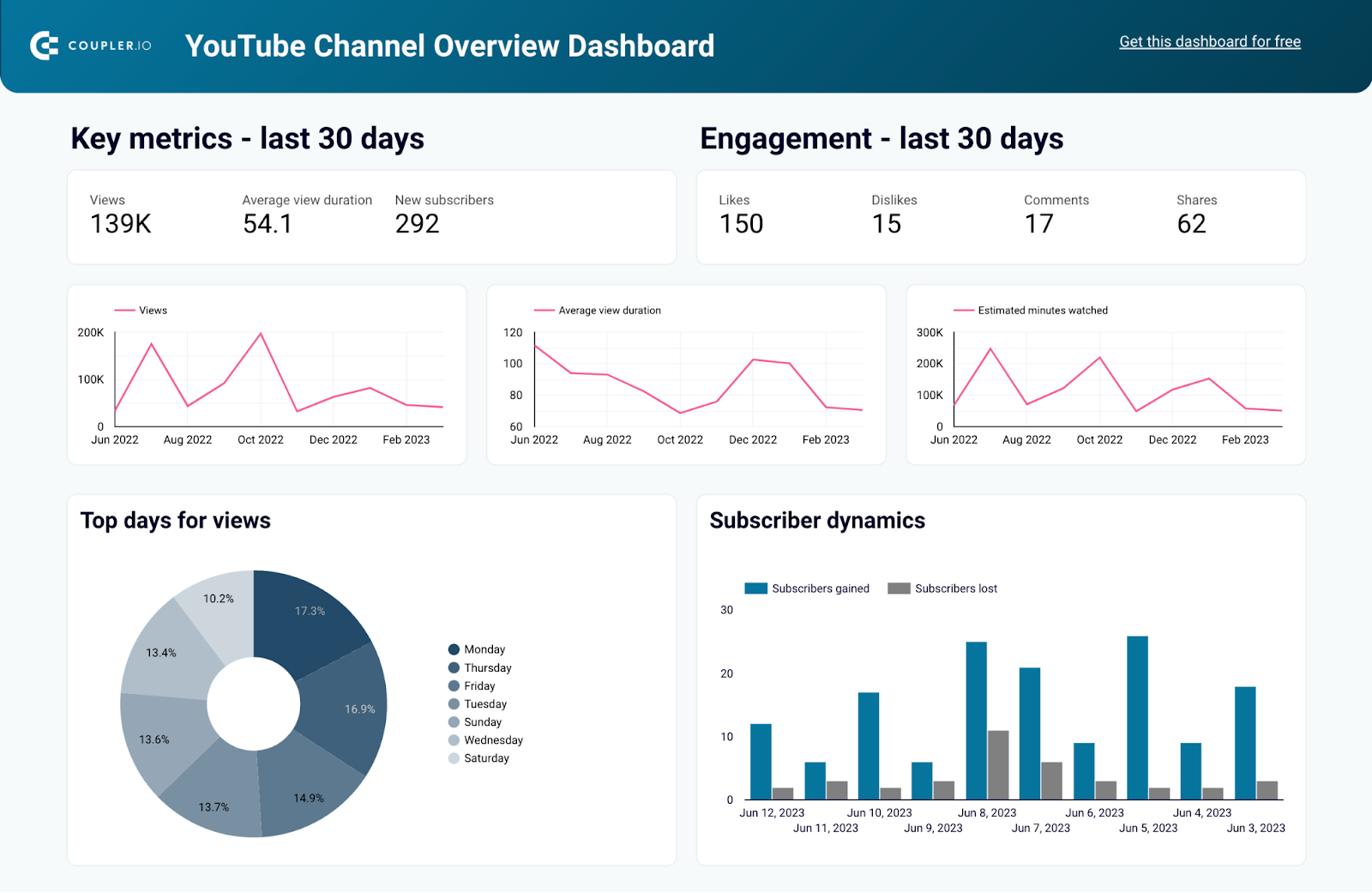
Overlooking analytics is a critical mistake that small businesses often make. Without tracking performance, decisions are based on assumptions rather than data, leading to misguided strategies. Analytics provide valuable insights into what is working and what is not. For example, identifying key performance indicators (KPIs) relevant to your business allows for targeted assessments of marketing efforts. Regularly reviewing metrics, such as website traffic and conversion rates, informs necessary adjustments to your marketing strategy. Tools like Google Analytics can help you monitor website traffic, while social media analytics can shed light on audience engagement. A/B testing is another useful method to refine messaging and campaigns, enabling businesses to understand which approaches resonate best with their audience. It is also essential to set clear goals for your marketing efforts, as this helps in evaluating success over time. Sharing analytics findings with your team encourages collaboration and fosters a data-driven culture within the organisation. By adjusting strategies based on data rather than intuition, small businesses can enhance their marketing effectiveness and drive growth.
| Common Mistake | Explanation | Solution |
|---|---|---|
| Not tracking performance | Means making decisions based on assumptions. | Regularly review meaningful metrics like engagement and ROI to guide strategy adjustments. |
5. Marketing Without Expertise
Handling marketing in-house without the necessary expertise can significantly limit the effectiveness of your efforts and result in missed opportunities. It is crucial to identify specific areas where professional support can enhance your marketing outcomes. For instance, hiring a consultant for specialised needs such as digital marketing or content creation can provide valuable insights and strategies that may not be available within your current team. Furthermore, investing in training for your employees can help build essential marketing skills, empowering them to contribute more effectively to your campaigns.
Collaborating with industry experts can also offer fresh perspectives, enabling your business to stay updated with the latest trends and best practises. It is important to evaluate which marketing channels require specialist knowledge, as some areas, like SEO or data analytics, demand a deeper understanding to achieve optimal results. Developing partnerships with other businesses can facilitate shared marketing efforts, allowing you to pool resources and expertise.
Utilising online resources and courses can further enhance your team’s marketing knowledge, ensuring you remain competitive in a rapidly evolving marketplace. While it may be tempting to handle all marketing tasks internally, focusing on your core competencies and outsourcing complex tasks can lead to more successful marketing strategies and ultimately foster growth for your small business.
6. Inconsistent Execution
In many small businesses, marketing efforts can become sporadic due to the demands of day-to-day operations. This inconsistency can hinder growth and dilute brand messaging. To combat this, it is essential to create a marketing calendar that outlines and schedules campaigns well in advance. Allocating dedicated resources for marketing ensures that these initiatives are not sidelined by operational tasks. Regularly reviewing progress is crucial to keep tasks on track; this can include setting deadlines and evaluating the completion of marketing activities.
Delegating marketing tasks to team members based on their strengths can also enhance execution consistency. Establishing clear roles and responsibilities within your team helps to maintain accountability, ensuring everyone knows their part in the marketing strategy. Additionally, utilising automation tools can streamline repetitive tasks, freeing up time for more strategic initiatives. Conducting regular team meetings to discuss ongoing marketing efforts fosters collaboration and allows for adjustments based on current performance. Celebrating small wins along the way can boost motivation and keep the team engaged in the marketing process.
7. No Clear Strategy
 Credits: demandmetric.com
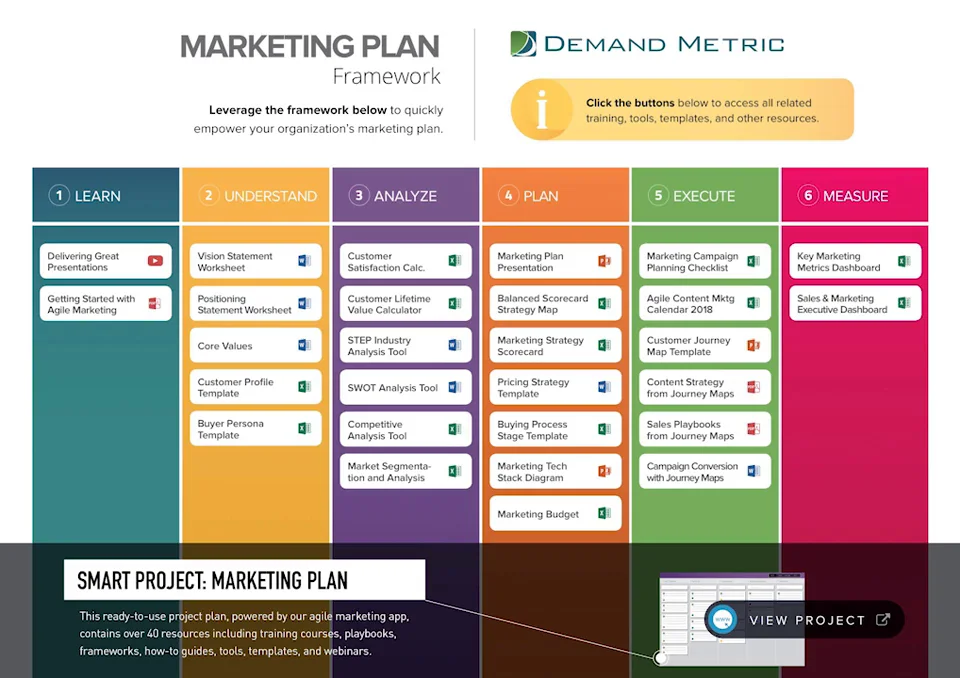
Many small businesses engage in random acts of marketing without a cohesive plan, leading to wasted resources and missed opportunities. To avoid this pitfall, it is essential to develop a comprehensive marketing strategy that aligns with your business goals. Involve key stakeholders in the strategy development process to ensure that all perspectives are considered and that the final plan has buy-in from those who will implement it. Outline specific goals and objectives for each marketing campaign, making sure they are measurable and achievable. Identifying your target audience is crucial, as it allows you to tailor your strategies accordingly, ensuring that your messaging resonates with the right people.
Conducting a SWOT analysis can be beneficial in assessing your business’s strengths, weaknesses, opportunities, and threats, providing valuable insights that inform your marketing strategy. Integrating various marketing efforts, such as digital marketing, content marketing, and traditional advertising, is vital for a unified approach that maximises impact. Additionally, allocate budgets based on strategic priorities to ensure that resources are directed where they will have the most effect.
It’s important to regularly revisit and adapt your strategy based on performance metrics, allowing you to make informed adjustments over time. Documenting the strategy is also crucial for clarity and reference, enabling your team to follow a consistent path towards achieving your marketing objectives.
8. Not Following Up on Leads
Not following up on leads is a critical mistake that many small businesses make, as failing to nurture leads can significantly prevent conversions. Establishing a systematic approach to lead follow-up can make a marked difference in engagement and sales. Implementing automated email follow-ups is one effective strategy to maintain contact without overwhelming your resources. Personal outreach, however, can further enhance lead engagement, as it adds a human touch that automated messages may lack.
Creating a lead scoring system allows you to prioritise follow-ups based on the potential value of each lead. This ensures that your efforts are concentrated where they can yield the best results. Utilising customer relationship management (CRM) tools enables you to track leads efficiently, helping you stay organised and informed about your interactions.
It is also essential to establish a follow-up schedule to ensure timely communication, as delays can result in lost opportunities. Providing value in your follow-ups, whether through informative content, special offers, or relevant resources, can keep your leads interested and engaged. Engaging leads through multiple channels, such as email, social media, and phone calls, increases your touchpoints and improves the chances of conversion.
Monitoring response rates is crucial in refining your follow-up strategies; analysing what works and what doesn’t allows you to adjust your approach over time. Finally, training your staff on effective lead nurturing techniques is vital, as knowledgeable team members can create a more positive experience for potential customers.
9. Over-Reliance on Social Media
While social media plays a significant role in modern marketing, relying solely on it can hinder the growth of your small business. It’s essential to diversify your marketing efforts across various channels to reach a broader audience. Incorporating email marketing can be a highly effective complementary strategy, allowing you to engage directly with customers and nurture leads. Additionally, content marketing can help establish your authority in the industry, driving traffic to your website and boosting credibility.
Exploring offline marketing efforts, such as local events or print advertising, can also be beneficial, as these avenues may reach demographics that are less active online. Consider forming partnerships with other businesses for cross-promotion, which can expand your reach without significant additional costs. Moreover, optimising your website for search engines (SEO) enhances your visibility beyond social media platforms, ensuring potential customers can find you through organic search.
If your target demographic includes individuals who consume traditional media, do not overlook avenues like radio or local newspapers. Lastly, it is crucial to monitor the effectiveness of each marketing channel you employ. By analysing performance metrics, you can adjust your focus to maximise impact. Encouraging user-generated content can also foster community engagement, providing organic growth opportunities through your existing customer base.
10. Neglecting Existing Customers
Focusing solely on acquiring new customers can significantly diminish the lifetime value of your existing clientele. It is essential to recognise that repeat customers often contribute more to your revenue than new ones. Implementing loyalty programmes can effectively reward these customers for their continued patronage, encouraging them to return. Providing exceptional service is another critical factor in enhancing customer satisfaction, as it fosters a stronger connection with your brand. Regular communication with existing customers keeps them informed about new products, services, or promotions, reinforcing their loyalty.
Furthermore, soliciting feedback from loyal customers allows you to identify areas for improvement in your offerings. Creating exclusive deals for existing customers not only makes them feel valued but also incentivises repeat business. Engaging customers through personalised marketing efforts can significantly increase their connection to your brand. Monitoring customer behaviour is crucial to identify upselling and cross-selling opportunities, further increasing average transaction values. Sharing success stories or testimonials from satisfied customers can reinforce loyalty and build trust. Lastly, investing in relationship management is vital for strengthening connections with your customers, ensuring they remain loyal and engaged with your brand.
11. Failure to Measure Effectiveness
Many small businesses fall short by not measuring the effectiveness of their marketing efforts, which can lead to wasted resources and missed opportunities. It is essential to identify key performance indicators (KPIs) that align with your marketing goals, as these metrics provide insight into your success. Tools such as Google Analytics or social media insights can help you gather critical data on campaign performance. Regularly reviewing and analysing this data allows you to identify trends and patterns in customer behaviour, enabling you to make informed decisions.
Setting specific time frames for measuring effectiveness ensures timely adjustments to your strategies. Consider benchmarking against competitors to evaluate your performance in the market. Creating reports to visualise data makes it easier to identify areas needing improvement. A/B testing various strategies can also be beneficial; by comparing different approaches, you can determine which resonates better with your audience.
Encouraging team discussions around data findings fosters a culture of continuous improvement and helps avoid the pitfalls of relying on anecdotal evidence. Making decisions based on data-driven insights can significantly enhance your marketing effectiveness. Adjusting your strategies based on these insights can maximise your return on investment, ensuring that your marketing efforts contribute to sustainable growth.
12. Ignoring Customer Feedback
Ignoring customer feedback can significantly hinder the growth of your small business. Establishing a process for collecting feedback, whether through surveys or direct communication, is essential. This will not only help you understand your customers’ needs but will also foster a sense of connection. Analyzing feedback trends allows you to identify common themes that may require your attention, guiding you in making informed improvements. Engaging with customers on social media further demonstrates that their opinions are valued, creating a more loyal customer base.
A feedback loop is crucial, where customers can see tangible changes made based on their input. Encouraging reviews and testimonials can also provide insights into customer satisfaction and highlight areas for enhancement. It is imperative to address negative feedback promptly, as this demonstrates your commitment to customer service and can turn a dissatisfied customer into a loyal advocate.
Incorporating customer feedback into your marketing messages will build trust and authenticity, making your brand more relatable. Additionally, training your staff to actively listen to customers and incorporate their suggestions into business practises ensures that everyone in your organisation is aligned with customer needs. Lastly, regularly reviewing feedback as part of team meetings will keep your business responsive and adaptable to changing customer expectations.
13. Impatience with Results
Marketing is often a long-term investment rather than a quick win, and many small business owners struggle with this concept. It is crucial to set realistic expectations for results and communicate these clearly to your team and stakeholders. Regularly monitoring progress is essential, but allow sufficient time, typically 3 to 6 months, to truly assess the impact of your strategies. Celebrating small wins along the way can help maintain motivation and morale within your team. Fostering a culture of perseverance is vital, as it encourages resilience during challenging times. Documenting and reviewing lessons learned from previous campaigns can inform future strategies, helping to avoid making hasty changes based solely on short-term results. Instead, analyse long-term trends to gain a more accurate picture of your marketing effectiveness. It’s also important to consider the customer journey length in your industry when evaluating results. Consistency in marketing efforts is key, and emphasising this to your team can ensure everyone is on the same page. Finally, communicate the need for patience to stakeholders to secure buy-in for long-term strategies.
14. Not Having a Documented Marketing Plan
A documented marketing plan is essential for any small business aiming for growth. It should provide a comprehensive outline of your goals, target audience, and strategies, ensuring that everyone on your team understands the direction of your marketing efforts. Establishing a timeline for execution helps keep your team accountable and on track, while defining roles and responsibilities fosters clarity and focus within the marketing team.
Regularly reviewing and updating the marketing plan is vital to reflect changing market conditions and evolving business objectives. By utilising templates, you can streamline the planning process and make certain that all key components are included. Additionally, integrating feedback from team members and stakeholders can enhance the plan’s effectiveness, making it a more robust tool for guiding your marketing activities.
It is crucial that the marketing plan aligns with your overall business objectives to ensure coherence in your strategy. Setting measurable goals within the plan allows you to evaluate success effectively, providing clear indicators of your marketing performance. Sharing the documented plan with the entire team ensures that everyone is aligned with the marketing strategy and working towards the same objectives. Finally, including a section for budget allocation guarantees that resources are managed properly, preventing overspending and ensuring that every marketing effort is cost-effective.
15. Failing to Innovate
In today’s rapidly changing business landscape, failing to innovate can severely hinder your small business’s growth. To stay competitive, it is crucial to remain updated on industry trends and emerging technologies. For instance, companies that regularly assess their marketing strategies and are willing to pivot when necessary often outperform those that cling to outdated methods. Encouraging a culture of creativity within your team can foster new ideas and approaches, allowing you to explore untested marketing strategies. Facilitating brainstorming sessions can lead to innovative marketing tactics that resonate with your audience. Moreover, benchmarking against innovative companies can inspire fresh thinking and new approaches. Testing new platforms and tools not only helps in discovering what resonates with your customers but also keeps your marketing efforts dynamic. It is equally important to solicit ideas from all levels of the organisation, as this taps into diverse perspectives that can lead to breakthrough innovations. Investing in professional development equips your team with the latest skills and knowledge, which can be invaluable in a competitive market. Encouraging calculated risk-taking is essential for exploring untested strategies, and regularly reviewing competitors’ innovations can help identify gaps in your approach. By embracing innovation, your small business can adapt and thrive in an ever-evolving marketplace.
Frequently Asked Questions
What are the typical reasons why small businesses fail to market effectively?
Small businesses often struggle due to a lack of clear branding, insufficient understanding of their target audience, ineffective use of social media, and not adequately tracking their marketing efforts.
How can poor online visibility affect my small business growth?
If your business is not easily found online, potential customers are less likely to discover your products or services, leading to fewer sales opportunities.
Why is it important to have a clear marketing strategy?
A clear marketing strategy helps businesses identify their goals, understand their audience, and allocate resources effectively, ensuring that marketing efforts are more successful.
What is the impact of ignoring customer feedback on my business?
Ignoring customer feedback can lead to missed opportunities for improvement, as it prevents businesses from addressing issues and enhancing customer satisfaction.
How does inconsistent branding harm a small business?
Inconsistent branding can confuse customers and weaken brand recognition, making it difficult for businesses to build trust and loyalty.
TL;DR Small businesses often face growth challenges due to common marketing mistakes. Key issues include a lack of a clear brand identity, targeting too broad an audience, and neglecting digital presence. Overlooking analytics and failing to follow up on leads can hinder conversions, while inconsistency in execution and a missing clear strategy can lead to wasted efforts. It’s crucial to measure effectiveness, innovate regularly, and address customer feedback. By avoiding these pitfalls and developing a documented marketing plan, businesses can achieve sustainable growth.