

Why Most Rebrands Fail Before They Ever Launch
Many rebrands fail before they ever launch due to a few critical factors that are often overlooked. First, organizations tend to prioritize aesthetics over a solid strategic foundation, which can lead to misalignment with their core mission. Also, the implications of institutional knowledge cannot be ignored; failing to leverage past insights can hinder innovation. Furthermore, there is often a noticeable gap in employee experience during the rebranding process. If employees do not feel included or informed, their disengagement may reflect poorly on the brand’s public debut. Lastly, clear messaging is essential yet frequently neglected, leaving potential customers confused about the brand’s new identity.
Table of Contents
- Focusing on Aesthetics Over Strategy
- The Impact of Institutional Knowledge
- Understanding the Employee Experience Gap
- The Importance of Clear Messaging
- Common Missteps in Rebranding Efforts
- How maxmarkagency.com Can Help You Succeed
- Strategies to Ensure a Successful Rebrand
- Analyzing Case Studies of Failed Rebrands
- Aligning Brand Values with Market Expectations
- The Role of Research in Effective Rebranding
- Frequently Asked Questions
1. Focusing on Aesthetics Over Strategy
Credits: clay.global
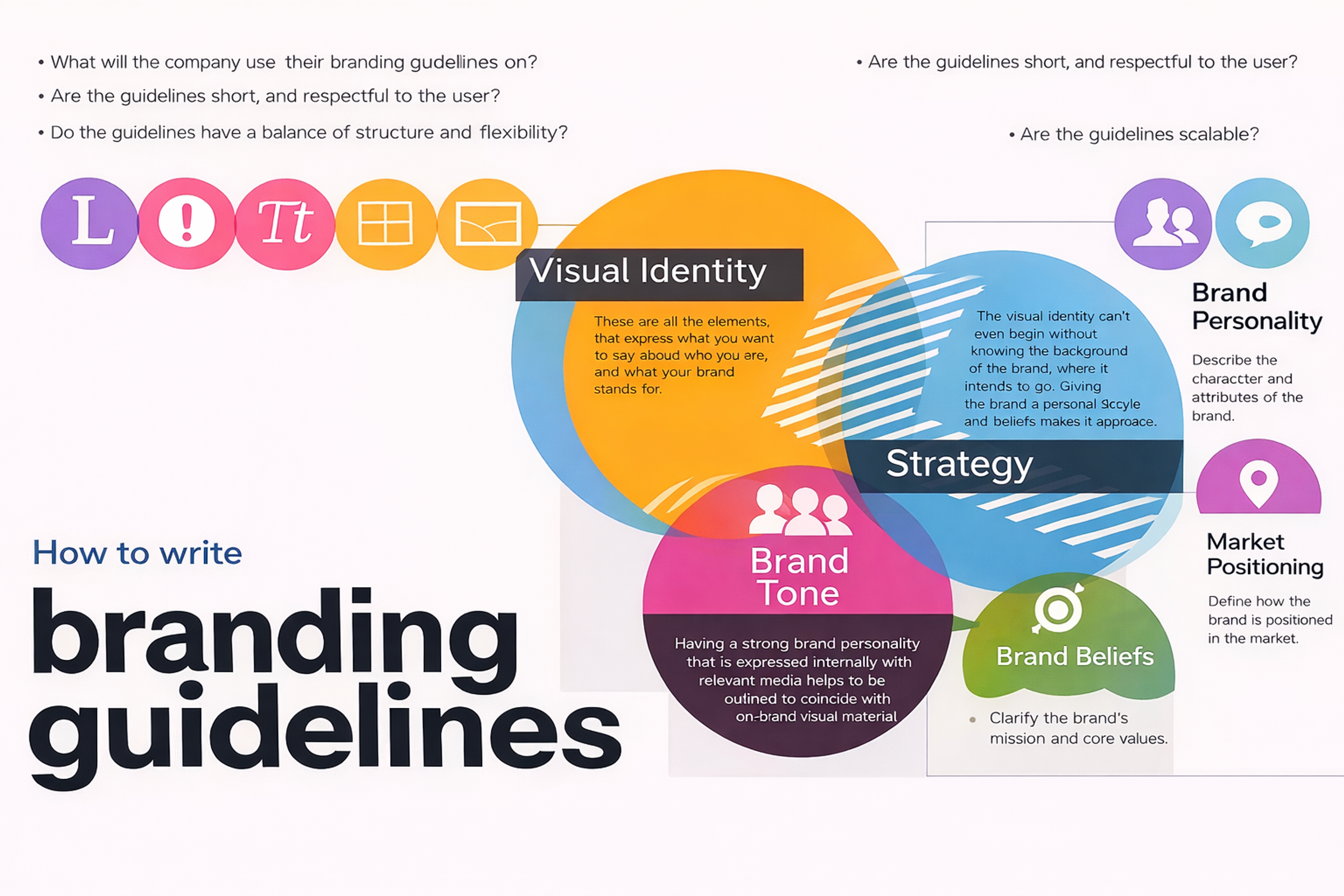
In many cases, rebrands place too much emphasis on aesthetics, leading to a disconnect with the brand’s core message. While visual appeal is important, it does not guarantee a meaningful connection with the audience. For branding to be effective, it must go beyond surface-level design and incorporate strategic intent. A well-defined strategy ensures that a brand’s visual identity aligns with its mission and values, guiding all aesthetic choices. When a brand ignores these strategic elements, it risks confusing consumers and diluting its message. Effective branding requires a balance between aesthetics and functionality, as aesthetic choices should resonate with the target audience’s preferences. For example, a tech brand might choose a sleek, modern design to appeal to a younger demographic, but if the underlying strategy does not reflect innovation, the visual identity may fail to engage. Ultimately, brands must critically evaluate whether their aesthetic decisions enhance their message or detract from it.
2. The Impact of Institutional Knowledge
Credits: walkme.com
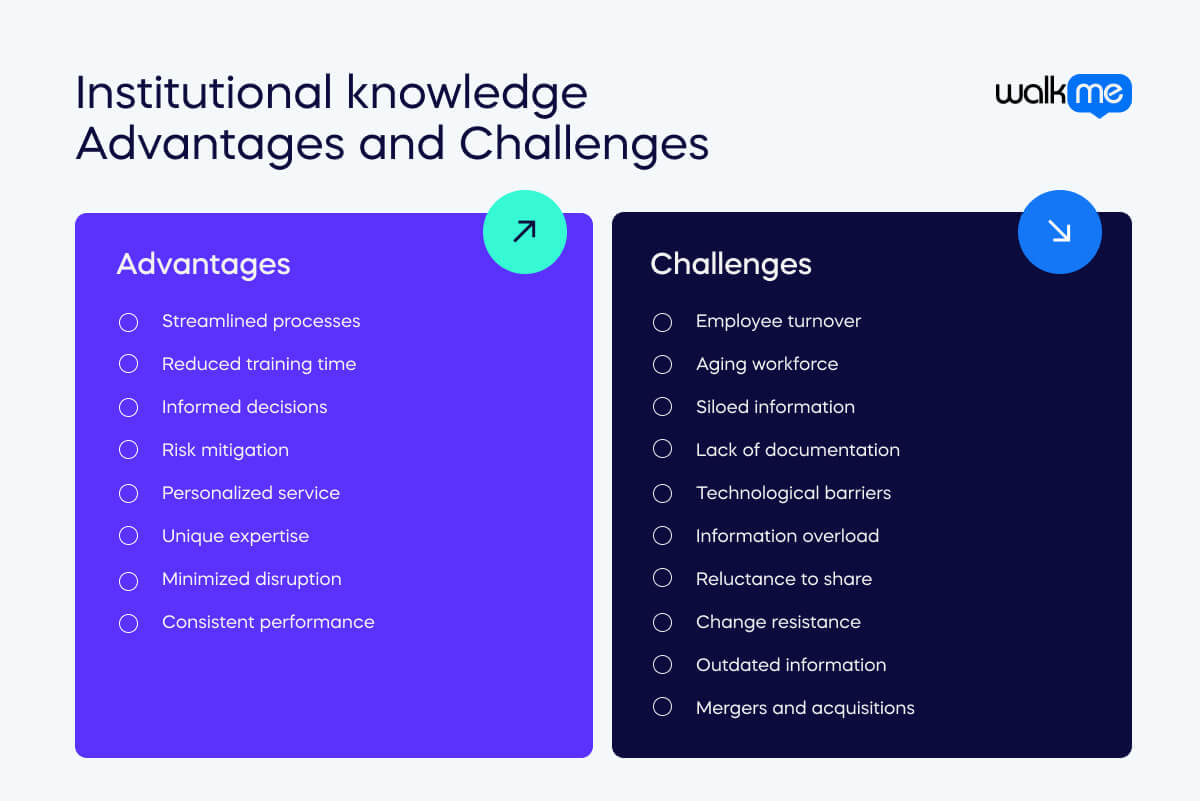
Institutional knowledge plays a crucial role in the success of any rebranding effort. Understanding a brand’s history and evolution forms a foundation for strategic decisions. Employees with long tenures often possess valuable insights into the brand’s core values and what has resonated with the audience over time. When new branding initiatives overlook these lessons, they risk repeating past mistakes that could have been avoided. Maintaining detailed records of previous branding strategies can be instrumental in guiding future efforts, ensuring that the new direction aligns with established principles. Moreover, institutional knowledge fosters consistency in brand messaging, which is critical for maintaining customer trust and loyalty. A workforce that shares a strong brand culture, built on shared knowledge, can communicate more effectively and authentically. Training programs emphasizing the importance of this knowledge can help newer employees appreciate the brand’s journey and its impact on current branding efforts. By leveraging this knowledge, organizations can enhance their brand authenticity and avoid the pitfalls that lead to rebranding failures.
| Key Factor | Importance |
|---|---|
| Institutional knowledge helps understand brand history and evolution. | It provides context for strategic decisions based on past experiences. |
| Employees with institutional knowledge can provide insights on brand values. | They help maintain brand consistency. |
| New branding efforts may overlook valuable lessons from past experiences. | This can lead to repeated mistakes and misalignment. |
| Maintaining a record of past branding strategies can inform future efforts. | Valuable insights can guide successful rebranding. |
| Institutional knowledge fosters consistency in brand messaging. | Consistency strengthens brand identity. |
| Long-term employees can identify what resonates with the audience. | They contribute to creating authentic connections. |
| Failure to utilize institutional knowledge can lead to repeated mistakes. | Increases the risk of launching ineffective campaigns. |
| Training programs should emphasize the importance of institutional knowledge. | Helps in retaining essential insights within the organization. |
| A strong brand culture relies on shared knowledge across teams. | Enhances collaboration and alignment. |
| Leveraging institutional knowledge can enhance brand authenticity. | It helps build trust with consumers. |
3. Understanding the Employee Experience Gap

Credits: aihr.com
Employee experiences play a crucial role in shaping brand perception. When employees are engaged and satisfied, they often become brand advocates, positively influencing customer interactions. Conversely, disengaged employees can damage a brand’s reputation, leading to negative customer experiences and feedback. Brands must acknowledge the link between employee satisfaction and customer satisfaction, as a happy workforce typically translates to a better customer experience.
Understanding employee needs allows companies to align their internal culture with their external branding efforts. For example, if a company values innovation but its employees feel stifled or unsupported, the disconnect can undermine the brand’s message. Regularly soliciting feedback from employees can help identify potential gaps in their experience, enabling brands to address concerns proactively.
Promoting a culture of open communication and support is essential for fostering a positive employee experience. When employees feel heard and valued, their loyalty and advocacy for the brand increase. Additionally, employee training programs should reflect the brand’s values and messaging, ensuring that all staff members are equipped to represent the brand effectively. By nurturing a positive workplace environment, brands can significantly enhance their overall perception in the marketplace.
4. The Importance of Clear Messaging
Credits: coschedule.com
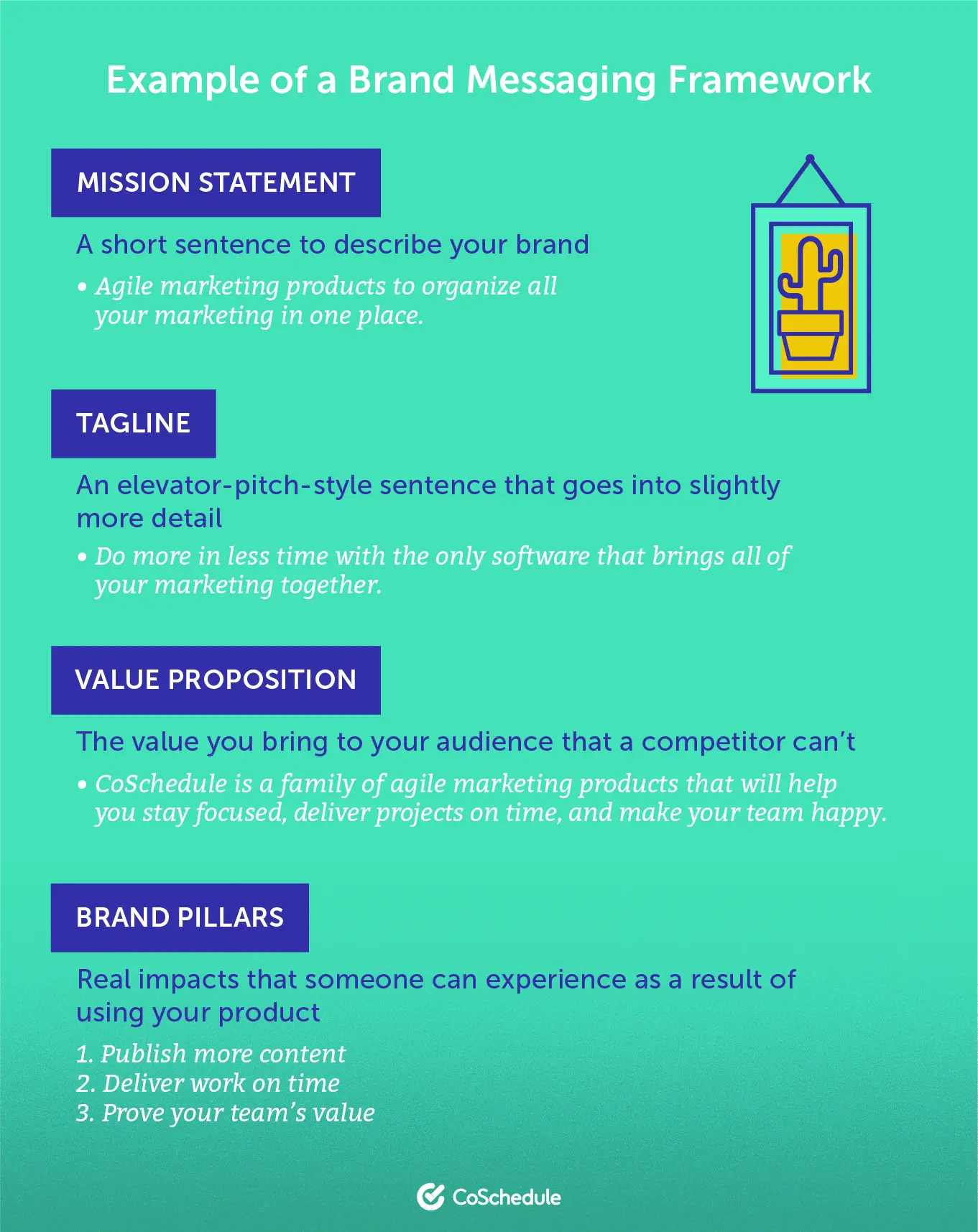
Clear messaging is crucial for any brand, particularly during a rebrand. It ensures that the brand’s purpose and values are easily understood by consumers. When messages are ambiguous, they can confuse potential customers, ultimately diluting the brand’s identity. By maintaining consistency in messaging across various platforms, a brand can strengthen its recognition in the market. This consistency also helps in differentiating the brand from its competitors, allowing it to stand out in a crowded space.
Tailoring messages to resonate with the target audience is equally important. For example, a tech company might use industry jargon to connect with professionals, while a lifestyle brand might opt for a more casual tone. Effective communication not only increases customer trust and loyalty but also reinforces the brand’s image. Regularly reviewing messaging ensures that it remains clear and relevant, adapting to changing market dynamics.
Additionally, messaging should align with the brand’s strategic goals and values. Using simple language enhances clarity and understanding, making it easier for consumers to relate to the brand. In times of crisis, clear messaging becomes even more critical, as it aids in brand recovery by maintaining open lines of communication with stakeholders.
5. Common Missteps in Rebranding Efforts

Credits: fabrikbrands.com
Many rebranding efforts stumble due to common missteps that can be avoided with careful planning and consideration. One major issue is failing to involve key stakeholders in the process, which can lead to misalignment between the brand’s new direction and the expectations of those who are integral to its success. Additionally, overlooking customer feedback often results in a disconnect with the audience, as brands may implement changes that do not resonate with their target market. Attempting to please everyone can further dilute a brand’s unique identity, making it harder to differentiate in a crowded marketplace.
The rebranding process should not be rushed, as skipping important details can compromise the integrity of the new brand. Effective communication of changes is vital; neglecting this aspect can confuse existing customers who may not understand the reasons behind the rebrand. Ignoring competitors can leave a brand vulnerable, as it may fail to address market trends or shifts in consumer preference.
Without a clear strategy, rebranding efforts can become aimless, lacking focus and direction. Overemphasizing aesthetics at the expense of functionality can confuse customers, as they may struggle to understand the new brand message if it is not clearly articulated. Brands should also be cautious about making drastic changes that may alienate loyal customers, as this can lead to a loss of trust and brand loyalty. Finally, not measuring the impact of rebranding can hinder future efforts, making it difficult to understand what worked and what didn’t.
6. How Maxmark Agency Can Help You Succeed

Credits: creativeboom.com
Maxmark Agency brings a wealth of expertise in strategic branding initiatives, positioning itself as a valuable partner for businesses looking to succeed in their rebranding efforts. By offering tailored solutions that address specific brand needs, Maxmark ensures that each client receives a personalized approach that resonates with their unique identity and market position. Collaborating with Maxmark can significantly enhance brand visibility and reach, allowing businesses to connect more effectively with their target audiences.
The agency employs a research-driven approach that facilitates informed decision-making. This is critical in navigating the complexities of rebranding, as it helps align brand values with market expectations. Maxmark’s experience can guide businesses through the often challenging rebranding process, ensuring that all aspects of the brand are cohesive and effectively communicated across various platforms.
Furthermore, Maxmark places a strong emphasis on the importance of data in developing effective branding strategies. By utilizing insights gained from thorough research, the agency helps brands avoid common pitfalls that can derail rebranding efforts. Additionally, Maxmark provides training and support to enhance employee engagement in the branding process, recognizing that a unified internal understanding is essential for successful external messaging. This holistic approach positions businesses for greater success as they embark on their rebranding journeys.
7. Strategies to Ensure a Successful Rebrand
Credits: vitaldesign.com
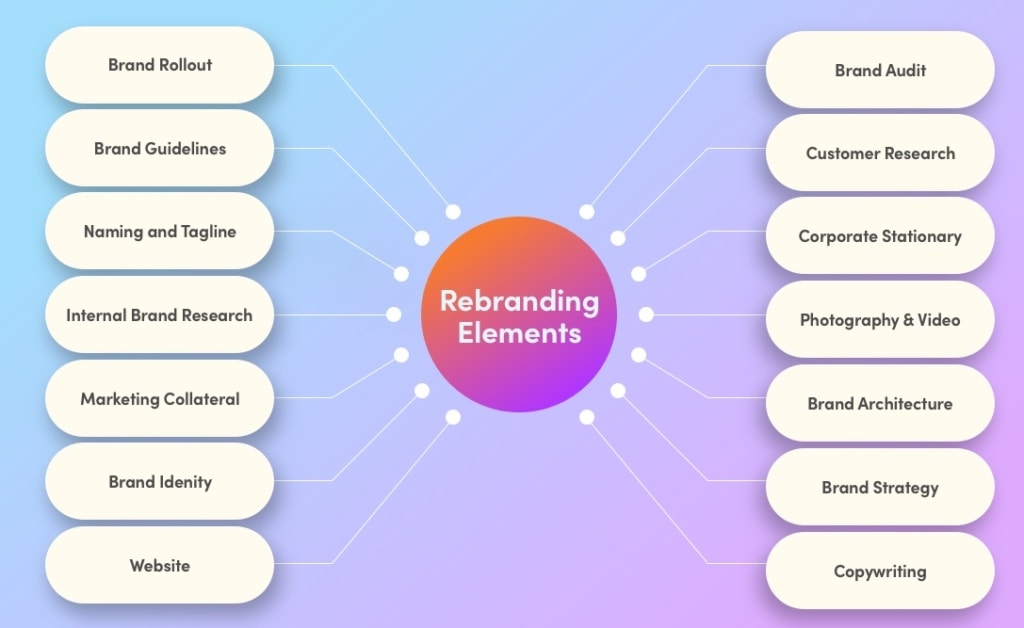
To increase the chances of a successful rebrand, organizations should start by conducting thorough market research. This helps in understanding the audience’s needs and preferences, which is crucial for aligning the new brand with customer expectations. Involving employees in the rebranding process is equally important, as their buy-in and support can lead to a smoother transition and greater commitment to the new brand identity.
Before launching a rebrand, it is essential to clearly define the brand’s mission and values. This foundation guides the rebranding strategy and ensures that all elements resonate with the intended audience. Additionally, developing a comprehensive strategy that aligns with overall business goals will provide direction and purpose throughout the rebranding efforts.
Testing new branding elements with focus groups before the official launch can provide valuable feedback, allowing for adjustments that better meet audience expectations. Ensuring consistency in branding across all customer touchpoints, from social media to packaging, reinforces the new identity and builds trust with consumers.
A well-structured communication plan is necessary to inform stakeholders of the rebranding changes. This transparency helps to manage expectations and fosters a positive reception. After the rebrand, monitoring brand performance is vital to assess the impact and effectiveness of the new strategy. This allows organizations to measure success and identify areas for improvement.
Finally, being prepared to adapt strategies based on feedback and results is key to long-term success. Focusing on building relationships with customers during the transition can help maintain loyalty and engagement, ultimately leading to a more successful rebranding effort.
- Conduct thorough market research to understand audience needs.
- Involve employees in the rebranding process for buy-in and support.
- Clearly define the brand’s mission and values before rebranding.
- Develop a comprehensive strategy that aligns with business goals.
- Test new branding elements with focus groups before launch.
- Ensure consistency in branding across all customer touchpoints.
- Create a communication plan to inform stakeholders of changes.
- Monitor brand performance post-rebrand to assess impact.
- Be prepared to adapt strategies based on feedback and results.
- Focus on building relationships with customers during the transition.
8. Analyzing Case Studies of Failed Rebrands
.webp)
Credits: designity.com
Examining case studies of failed rebrands reveals common pitfalls that many brands encounter. For instance, Coca-Cola’s New Coke is a classic example of a company ignoring consumer feedback, resulting in a backlash that led to the swift return of the original formula. Similarly, Gap’s logo redesign illustrated the risks associated with rushing decisions without thorough consideration of audience perception. These failures often stem from neglecting customer opinions during the rebranding process, leading to a misalignment between the brand and its audience. Furthermore, a failure to maintain brand equity can result in negative outcomes, as seen in numerous other cases. Analyzing these rebranding failures underscores the importance of having a well-defined strategy. By studying what went wrong, brands can enhance their rebranding efforts and establish effective communication practices. Learning from the mistakes of others can provide valuable insights that guide future strategies and decisions.
9. Aligning Brand Values with Market Expectations

Credits: fastercapital.com
Understanding market expectations is vital for a brand’s relevance. When a brand’s values resonate with the beliefs of its target audience, it creates a connection that can foster loyalty and trust. Regular evaluations of market trends enable brands to adapt and stay aligned with what consumers expect and need. To achieve this alignment, brands must communicate their values effectively, ensuring that their messaging is clear and authentic. Engaging with the audience through surveys or feedback sessions can provide valuable insights into customer expectations, allowing brands to adjust their values accordingly. A mismatch between a brand’s values and market expectations can lead to significant backlash, harming the brand’s reputation. Therefore, regularly revisiting and reassessing brand values is crucial to maintain ongoing relevance in a dynamic market.
10. The Role of Research in Effective Rebranding
Credits: slideteam.net
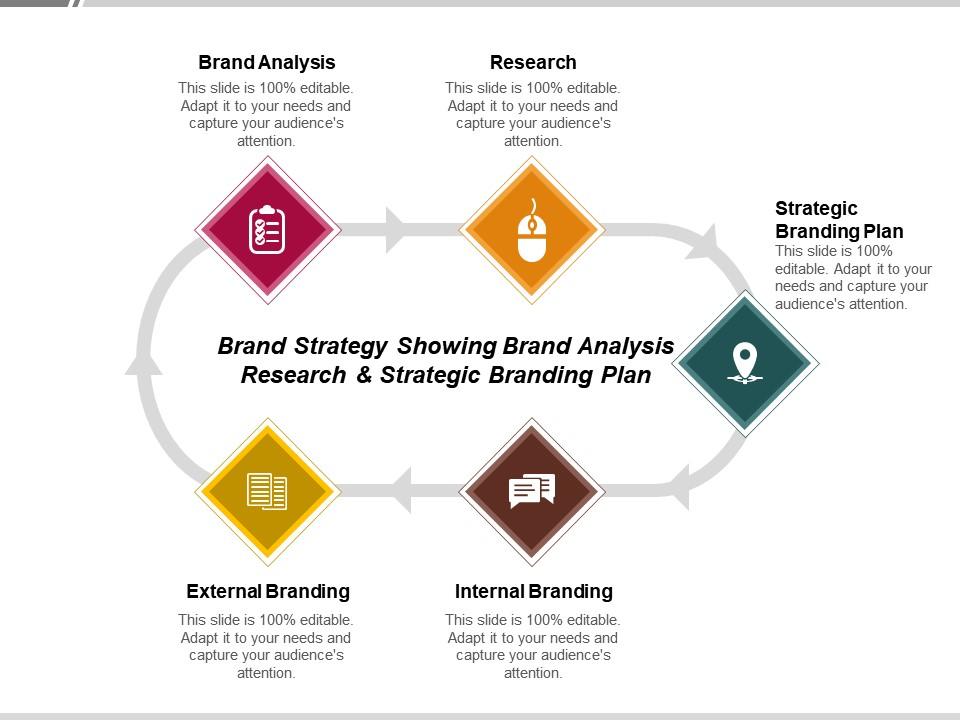
Research is a crucial element in the rebranding process, as it helps identify consumer preferences and behaviors. By understanding what resonates with the target audience, brands can tailor their messaging and visual identity to meet those expectations. Additionally, researching competitors provides insights into their strategies, allowing brands to differentiate themselves effectively. Data-driven insights lead to informed decision-making, ensuring that the rebranding efforts are aligned with market demands.
Surveys and focus groups are valuable tools for gauging public sentiment about the brand, enabling companies to understand how their current image is perceived and what changes might be welcomed. Research can also uncover trends that influence brand perception, helping brands adapt to evolving consumer expectations. Ongoing research is essential for brands to stay relevant in changing market conditions, allowing for adjustments to be made as necessary.
Analyzing data from previous branding efforts helps measure the effectiveness of rebranding initiatives, giving brands a clear picture of what works and what does not. Furthermore, research can identify gaps in the market that a brand can address, creating opportunities for growth and innovation. Prioritizing effective research methods enhances the credibility of branding decisions, providing a solid foundation upon which to build a successful rebrand.
Frequently Asked Questions
What are the common reasons why rebrands do not succeed?
Rebrands often fail due to a lack of clear goals, insufficient market research, failure to involve stakeholders, poor communication, and not staying true to the brand’s identity.
How important is research before a rebrand?
Research is crucial before a rebrand. It helps you understand your audience, market trends, and competitive landscape, ensuring the new brand resonates with customers.
What role do employees play in a successful rebrand?
Employees are essential in a rebrand as they represent the brand. Their support and understanding of the new direction can help promote the brand internally and externally.
Can customer feedback impact the rebranding process?
Yes, customer feedback can significantly impact rebranding. It provides insights into how customers perceive the brand and what changes they may welcome or resist.
What is a brand identity and why is it important in rebranding?
Brand identity is how a brand presents itself to the public, including its logo, messaging, and values. It’s important in rebranding because it shapes customer perceptions and builds loyalty.
TL;DR Many rebrands fail before launching due to key factors like prioritizing aesthetics over strategy, the lack of institutional knowledge, and the employee experience gap, alongside the necessity for clear messaging. Effective rebranding requires understanding these challenges, analyzing past failures, and aligning brand values with market expectations, while also leveraging research to create a successful strategy.