
Top Brand Development Strategies for Growing Your Business in 2026 that help brands lead.
In 2026, effective brand development strategies will emphasize long-term brand equity and customer loyalty. Brands should differentiate between general marketing and brand marketing, which fosters deeper relationships. Utilizing data-driven insights is essential for tailoring strategies that respond to customer behavior. Engaging communities around brands can increase visibility and loyalty, as seen with Lego. Innovative content creation, such as Cadbury’s emotional video campaigns, enhances engagement and reach. Additionally, optimizing email marketing through segmentation can provide unique benefits to customers. By leveraging partnerships, experiential marketing, personalized messaging, and engaging social media content, brands can build stronger connections that drive growth in a competitive landscape.
Table of Contents
- Long-Term Brand Marketing Strategy
- Data-Driven Decision Making
- Community Engagement
- Innovative Content Creation
- Email Marketing Optimization
- Webinars and Online Courses
- High-Impact Partnerships
- Social Media Strategy
- Experiential Marketing
- Personalization and Targeted Messaging
- Viral and Engaging Campaigns
- Measurement and Optimization
- Frequently Asked Questions
1. Long-Term Brand Marketing Strategy
 Credits: clay.global
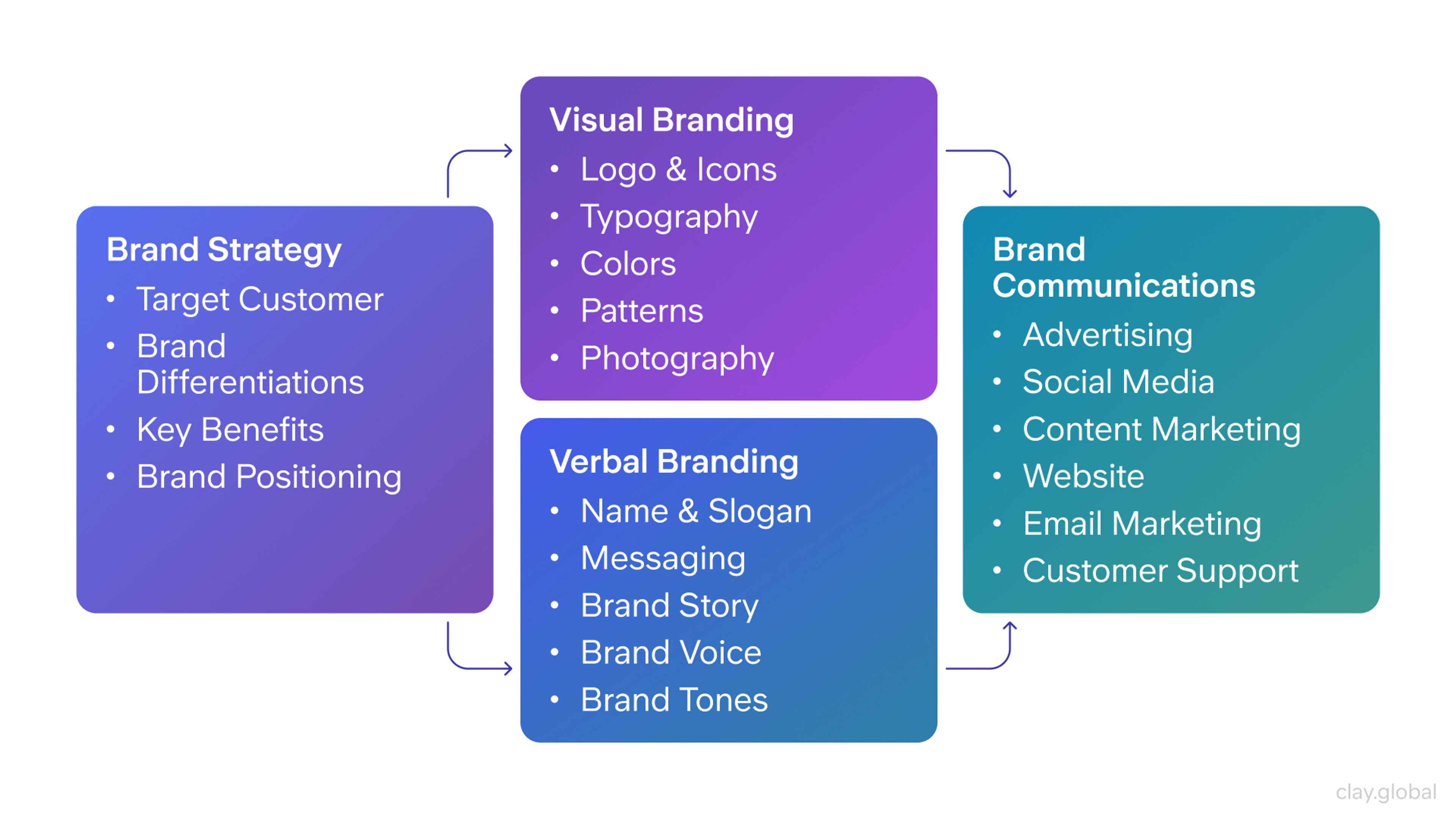
A long-term brand marketing strategy is essential for sustainable business growth. It begins with establishing a clear brand vision and mission that serves as a foundation for all marketing efforts. Defining brand values that resonate with your target audience ensures that your messaging aligns with their beliefs and preferences. A cohesive brand identity, which reflects your brand’s personality, is crucial for recognition and trust. Investing in storytelling allows brands to connect with customers on an emotional level, fostering loyalty. Regularly monitoring brand sentiment and adjusting strategies based on feedback helps maintain relevance. A multi-channel approach ensures that different segments of your audience are reached effectively. Incorporating sustainability and social responsibility into your brand ethos not only attracts conscious consumers but also builds long-term trust. It is vital to regularly assess market trends to stay innovative and relevant. Developing a brand ambassador program leverages loyal customers to promote your brand organically. Finally, setting long-term goals for brand growth and evaluating progress annually provides a roadmap for success.
- Establish a clear brand vision and mission to guide all marketing efforts.
- Define brand values that resonate with your target audience.
- Create a cohesive brand identity that reflects your brand’s personality.
- Invest in storytelling to connect with customers on an emotional level.
- Monitor brand sentiment and adjust strategies based on feedback.
- Utilize a multi-channel approach to reach different segments of your audience.
- Incorporate sustainability and social responsibility into your brand ethos.
- Regularly assess market trends to stay relevant and innovative.
- Develop a brand ambassador program to leverage loyal customers for organic promotion.
- Set long-term goals for brand growth and evaluate progress annually.
2. Data-Driven Decision Making

Data-driven decision making is crucial for brands aiming to grow in 2026. Implementing advanced analytics tools allows companies to gather valuable insights from customer interactions, helping to shape marketing strategies. Focusing on key performance indicators (KPIs) enables brands to measure their marketing effectiveness, ensuring that efforts align with business objectives. A/B testing can optimize marketing campaigns by using real data, allowing brands to understand what resonates with their audience.
Creating customer personas based on demographic and behavioral data helps tailor marketing messages, ensuring they reach the right people with the right content. Incorporating machine learning can further enhance predictive capabilities, allowing brands to anticipate future customer behaviors and trends. Segmenting audiences based on data allows for more precise targeting, improving engagement and conversion rates.
Tracking customer journeys is essential for identifying pain points and areas for improvement, enabling brands to refine their approaches. Data visualization tools can present these findings clearly to stakeholders, promoting transparency and informed decision making. Additionally, employing dashboard tools to monitor marketing performance in real time can provide immediate insights, facilitating quick adjustments.
Encouraging a culture of data literacy within the organization empowers team members to make informed decisions, fostering a data-driven environment that supports growth and innovation.
| Strategy | Example Brand | Key Insight |
|---|---|---|
| Utilize customer data and analytics | Shell | Enhanced ROI through predictive analytics |
| Focus on key performance indicators (KPIs) | Various Brands | Measurable marketing effectiveness |
| A/B testing for optimization | Amazon | Identified effective strategies for audience engagement |
| Customer personas based on data | Spotify | Tailored experiences based on user behavior |
| Machine learning for predictions | Netflix | Content recommendations based on viewing habits |
| Audience segmentation | Coca-Cola | Targeted messaging for increased relevance |
| Track customer journeys | Zappos | Identified pain points and improved experience |
| Data visualization for insights | Tableau | Clear presentation of analytics to stakeholders |
| Real-time monitoring with dashboards | HubSpot | Instant feedback on marketing performance |
| Data literacy culture | Informed decision-making across teams |
3. Community Engagement
 Credits: atsdr.cdc.gov
Community engagement is essential for fostering loyalty and enhancing brand visibility. Creating online forums or groups allows customers to interact not only with the brand but also with each other, building a sense of belonging. Hosting local events or meetups can further strengthen these connections within the community. Encouraging user-generated content, like photos or testimonials, promotes brand advocacy and makes customers feel valued. Engaging in social causes that resonate with your brand values can also help build trust and loyalty among community members. Leveraging social media platforms to create polls and discussions invites participation and feedback, making customers feel heard and valued. Offering exclusive content or perks to community members incentivizes participation and deepens their connection to the brand. Collaborating with local organizations can strengthen ties within the community, enhancing the brand’s reputation. Highlighting community members in marketing efforts personalizes the brand experience, making it more relatable. Using community feedback to inform product development ensures that offerings align with customer needs, fostering a sense of partnership. Finally, building ambassador programs empowers loyal customers to represent the brand, further strengthening community ties.
4. Innovative Content Creation
Innovative content creation is essential for brands aiming to grow in 2026. By incorporating various media formats such as videos, podcasts, and infographics, brands can cater to diverse audience preferences. Utilizing storytelling techniques can make content relatable and engaging, fostering a deeper connection with viewers. Experimenting with interactive content, like quizzes and polls, can further increase audience engagement, turning passive viewers into active participants. Behind-the-scenes content showcases authenticity, allowing brands to build trust with their audience.
Maintaining a consistent posting schedule is crucial for keeping the audience engaged over time, while also employing SEO best practices to enhance content visibility online. Collaborating with influencers can help brands reach a broader audience through creative content, amplifying their message. Additionally, repurposing existing content into different formats can maximize reach and impact. Analyzing content performance allows brands to refine their strategies based on what resonates with their audience, ensuring continuous improvement. Developing educational content not only provides value but also positions a brand as an authority in its field.
5. Email Marketing Optimization
Email marketing remains a powerful tool for brands aiming to engage customers and drive growth in 2026. By segmenting email lists based on customer preferences and behaviors, brands can deliver targeted content that resonates with specific audiences. Crafting compelling subject lines is crucial for improving open rates, as they are the first impression your audience receives. Personalizing email content further enhances the connection with customers, making them feel valued and understood.
Testing send times and frequency can lead to optimal engagement, as different audiences may respond better at various times. Incorporating clear calls-to-action is essential for driving conversions; these prompts guide recipients on the next steps, whether it’s making a purchase or signing up for a webinar. Automation tools can streamline email campaigns, ensuring timely follow-ups without overwhelming marketers.
Monitoring key metrics like open rates and click-through rates allows brands to refine their strategies, making data-driven adjustments as needed. A/B testing various types of email content can reveal what resonates most with your audience, optimizing future communications. Providing exclusive offers or content to email subscribers not only increases loyalty but also incentivizes continued engagement. Lastly, ensuring mobile optimization for emails is vital, as more consumers access their emails on mobile devices, impacting their overall user experience.
6. Webinars and Online Courses
Webinars and online courses offer a powerful way to connect with your audience while positioning your brand as an authority in your industry. To attract attendees, identify topics that directly address customer pain points or interests, ensuring the content is relevant and valuable. Promoting these events across multiple channels, such as social media, email newsletters, and your website, can help maximize registration and reach a wider audience.
During the webinar, utilize engaging presentation techniques to maintain interest, such as storytelling, interactive polls, and eye-catching visuals. For those who cannot attend live sessions, offering recordings allows them to benefit from the content at their convenience. Additionally, providing valuable resources or materials for participants to take away can enhance their experience and reinforce your brand’s commitment to their needs.
Encouraging Q&A sessions fosters interaction and allows you to address specific concerns or questions attendees may have, further establishing trust and credibility. Following up with participants post-webinar is crucial to nurture leads and maintain the relationship. Successful webinars can also be leveraged to build case studies, showcasing the value of your expertise for future marketing efforts. Integrating webinars into your overall content strategy not only enhances your brand authority but can also serve as a stepping stone to create certification or badges for course completion, incentivizing participation and encouraging further engagement.
7. High-Impact Partnerships
high-impact partnerships can significantly enhance brand visibility and credibility. Start by identifying other brands that share your values and target audience. Collaborating with these brands can lead to co-branded campaigns that leverage each other’s customer bases, creating a win-win situation. Explore cross-promotional opportunities, as this can broaden your reach and introduce your brand to new potential customers. Engaging with influencers who resonate with your target demographic can also amplify your message and extend your reach beyond traditional channels.
Attending industry events together can further solidify your partnership, allowing both brands to network and promote their offerings simultaneously. To gauge the success of these collaborations, establish joint key performance indicators (KPIs) to assess impact effectively. Limited-time offers or products can create urgency and excitement around your partnership, encouraging customers to engage more actively.
Sharing resources and expertise is another vital aspect of high-impact partnerships; this collaboration can enhance both brands’ offerings and provide added value to customers. Utilize social media platforms to highlight your partnership initiatives, showcasing the unique benefits of your collaboration and attracting new audiences. Regularly assess the effectiveness of your partnerships and be prepared to make adjustments as needed to ensure continued alignment with your goals.
8. Social Media Strategy
A strong social media strategy is vital for brand development in 2026. Establishing clear goals for social media engagement and brand awareness helps guide your efforts. Choosing the right platforms that align with your target demographic allows for more focused outreach. Creating a content calendar ensures that your posts are planned and consistent, which keeps your audience engaged. It’s important to interact with followers by responding promptly to comments and messages, fostering a sense of community. Utilizing analytics tools can help track engagement metrics, allowing you to refine your strategies based on what resonates with your audience. Experimenting with paid advertising can also expand your reach and visibility. Leveraging user-generated content builds trust and creates a sense of community around your brand. Collaborating with influencers provides an authentic way to reach new audiences. Themed campaigns or challenges can encourage participation and boost engagement. Finally, monitoring trends and adjusting your content keeps your brand relevant and engaging.
9. Experiential Marketing
Experiential marketing focuses on creating immersive experiences that allow customers to engage directly with your brand. By designing events that invite participation, brands can foster deeper connections and lasting impressions. For instance, hosting pop-up events can generate excitement and buzz around new product launches, creating a sense of urgency and curiosity among consumers. Incorporating technology such as augmented reality (AR) or virtual reality (VR) can elevate these experiences, providing innovative and interactive ways for customers to explore your offerings.
Gathering feedback during these events is crucial to understanding customer perceptions and preferences, allowing brands to fine-tune their approaches. Memorable takeaways, such as branded merchandise or exclusive content, reinforce brand messaging and encourage attendees to reminisce about their experience. Collaborating with local artists or creators can enrich the event atmosphere, adding unique cultural elements that resonate with the community.
Documenting events through photos and videos not only captures the essence of the experience but also provides engaging content for social media. Encouraging attendees to share their experiences online amplifies the brand’s reach and authenticity. Following up with participants post-event helps nurture relationships, keeping the brand top-of-mind and fostering loyalty. Finally, evaluating the success of these initiatives through metrics such as attendance and engagement levels allows brands to make informed adjustments for future events.
10. Personalization and Targeted Messaging
Personalization and targeted messaging are essential strategies for brands looking to connect with their audience in 2026. By collecting and analyzing customer data, brands can gain insights into preferences and behaviors, allowing them to tailor their communication more effectively. Utilizing customer relationship management (CRM) systems helps in segmenting audiences, enabling the creation of customized messages that resonate with specific groups.
Dynamic content can be employed to ensure that users receive information relevant to their actions or interests, enhancing engagement. For instance, retargeting ads can remind customers of products they previously viewed, prompting them to revisit their interest. Personalized email campaigns can further deepen connections by addressing individual customer interests, making each recipient feel valued.
Incorporating location-based targeting can also enhance the relevance of messaging, ensuring that promotions and content align with the geographical context of the audience. Additionally, leveraging customer feedback is vital for refining personalization efforts, allowing brands to adapt their strategies based on real user experiences.
Monitoring engagement metrics enables brands to assess the effectiveness of their targeted messages, facilitating continuous improvement. It is crucial, however, to ensure compliance with privacy regulations when collecting customer data, maintaining trust with the audience. By iterating on personalization strategies based on results, brands can foster deeper relationships and drive growth.
11. Viral and Engaging Campaigns
Creating viral and engaging campaigns is essential for brands looking to resonate in 2026. This can be achieved through shareable content that taps into current trends or significant cultural moments, enhancing the potential for virality. Interactive elements, such as polls or challenges, encourage audience participation and sharing, fostering a sense of community around the brand. Incorporating storytelling techniques that resonate emotionally with the audience makes the content relatable and memorable.
User-generated content is another powerful tool, as it encourages customers to share their experiences with the brand, boosting authenticity. Employing humor or surprise elements in campaigns can capture attention and encourage viewers to share the content with others. It is important to utilize social media platforms effectively, tailoring content to each platform to maximize engagement and reach. Collaborating with influencers who align with the brand values can enhance credibility and expand the brand’s reach further.
Limited-time offers or challenges can motivate quick action and sharing among peers, creating a sense of urgency. Visually striking content paired with concise messaging ensures that the brand’s message is conveyed quickly and effectively. Lastly, tracking engagement metrics is crucial to understand what resonates with the audience, allowing brands to refine and optimize future campaigns.
12. Measurement and Optimization
Establishing clear key performance indicators (KPIs) is essential for measuring the effectiveness of brand campaigns and overall marketing efforts. Utilizing tools like Google Analytics enables brands to gather valuable data on website traffic, user behavior, and conversion rates. Conducting A/B testing on various marketing strategies can help identify what resonates most with your audience. Additionally, monitoring social media engagement metrics, such as likes, shares, and comments, provides insights into how well your content is performing and how your audience is interacting with your brand.
Customer feedback and surveys are vital for understanding brand perception and pinpointing areas that may need improvement. Regularly reviewing sales data allows brands to assess the impact of their marketing efforts on revenue growth. Analyzing customer lifetime value helps businesses understand long-term profitability, which can inform future marketing strategies.
Utilizing heat maps and user journey tracking can optimize website layout and user experience, ensuring visitors have a seamless interaction with your brand. It is also crucial to adjust marketing strategies in real time based on performance data to maximize return on investment (ROI) and effectiveness. Creating regular reports to communicate findings and adjustments to stakeholders fosters transparency and ensures alignment across teams.
Frequently Asked Questions
What are the key strategies for developing a strong brand in 2026?
Key strategies for developing a strong brand in 2026 include focusing on customer experience, leveraging social media, and adapting to new technologies.
How can understanding my target audience improve my brand?
Understanding your target audience helps you create tailored marketing messages, improves product development, and enhances customer loyalty.
Why is it important for my brand to have a unique identity?
A unique identity helps differentiate your brand from competitors, attracts customers, and fosters brand recognition.
What role does online presence play in brand development?
An online presence is crucial as it allows you to reach a wider audience, engage with customers, and promote your brand effectively.
How can I measure the success of my brand development strategies?
You can measure success through metrics such as brand awareness, customer engagement, sales growth, and customer feedback.
TL;DR In 2026, businesses can enhance growth through a variety of brand development strategies such as establishing a long-term brand marketing strategy to build equity, leveraging data-driven decision making to tailor marketing efforts, engaging communities to foster loyalty, and creating innovative content to boost visibility. Additional strategies include optimizing email marketing, offering webinars to position authority, forming high-impact partnerships, and maintaining a robust social media presence. Experiential marketing and personalization are key for customer engagement, while viral campaigns can enhance brand visibility. Finally, continuous measurement and optimization are crucial for demonstrating ROI and adjusting strategies.