
What’s Next? The Most Important Digital Marketing Trends for 2026
As we approach 2026, digital marketing is poised for transformative changes driven by technology and consumer behavior. AI-driven campaign management will streamline tasks such as content creation and audience targeting, allowing marketers to focus on strategy. The shift to “search everywhere optimization” highlights the need for diverse content strategies across platforms like TikTok and YouTube. Simultaneously, personalized customer journeys due to AI adaptation will replace static funnels. Brands emphasizing authentic communication about sustainability alongside nostalgic themes in marketing will resonate with audiences emotionally. Engaging video content remains crucial, while leveraging employees as brand advocates shapes a more genuine connection with consumers.
1. AI-Driven Campaign Management
 Credits: sapbwconsulting.com
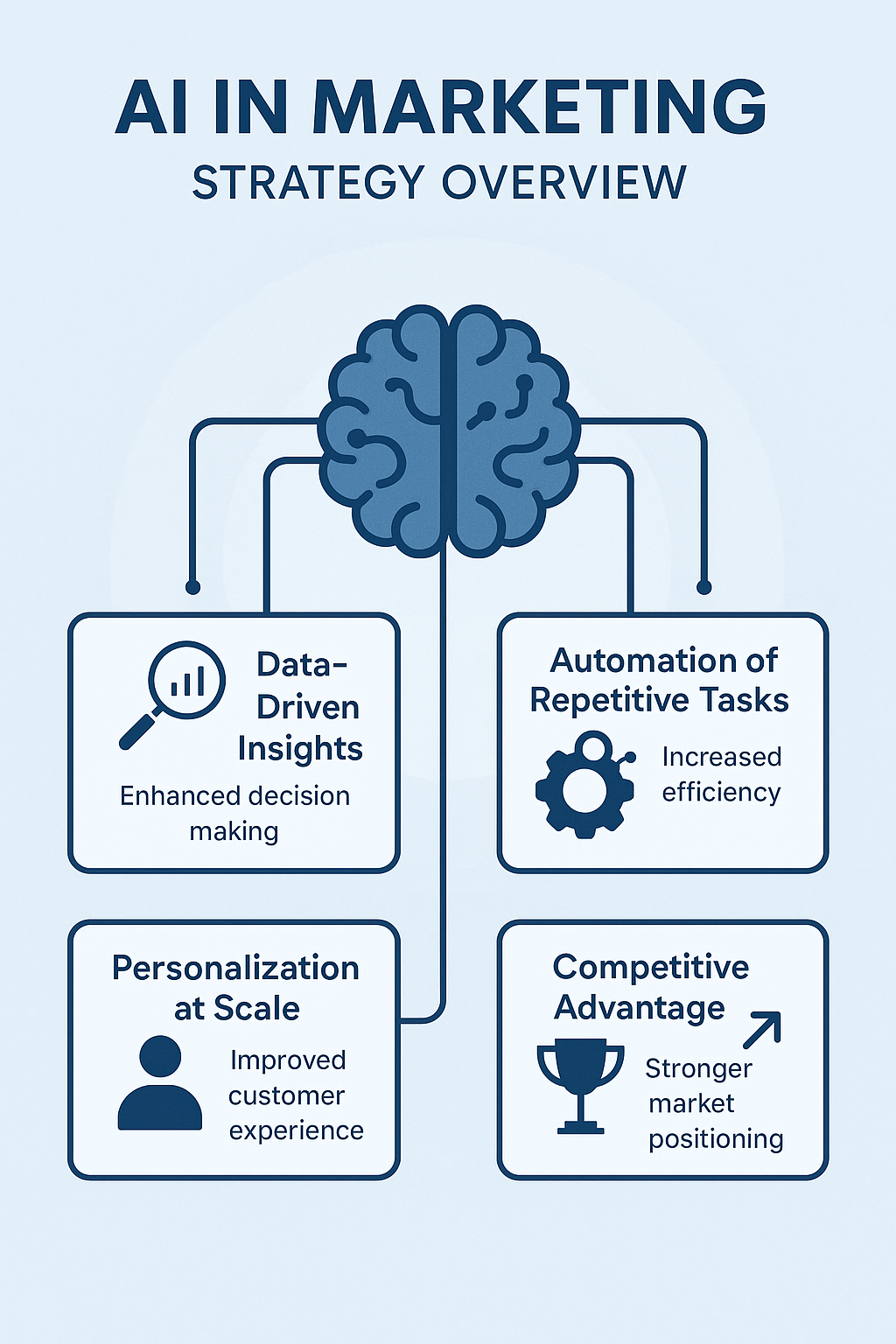
AI-driven campaign management will transform the way marketers execute and analyze their strategies. By automating routine tasks like A/B testing and performance tracking, AI tools will allow marketers to concentrate on higher-level strategic planning rather than getting bogged down in day-to-day operations. Real-time campaign performance analysis will enable marketers to make immediate adjustments, optimizing their efforts for the best possible results.
Data-driven insights will play a crucial role in shaping creative decisions, ensuring that marketing messages resonate with the target audience based on their preferences and behaviors. Furthermore, integrating AI with customer relationship management (CRM) systems will significantly enhance customer segmentation and targeting capabilities, allowing for more precise outreach.
Marketers will increasingly leverage predictive analytics to foresee trends and consumer behaviors, helping them to stay ahead of the curve. This will lead to hyper-personalization, where messages are tailored to individual users based on their past interactions and preferences, making communication more relevant and engaging.
Automated reporting will streamline the process of measuring campaign performance, providing deeper insights without the need for manual effort. AI will also assist in budget allocation by predicting which channels are likely to yield the highest return on investment (ROI). Additionally, the use of AI chatbots in campaigns will enhance customer engagement, facilitating smoother communication processes.
As these technologies evolve, training in AI tools will become essential for marketers to remain competitive and relevant in the ever-changing landscape of digital marketing.
- AI tools will automate routine tasks such as A/B testing and performance tracking, freeing marketers to focus on strategy.
- Campaign performance will be analyzed in real-time, allowing immediate adjustments to maximize effectiveness.
- Data-driven insights will guide creative decisions, ensuring alignment with audience preferences.
- Integration of AI with CRM systems will enhance customer segmentation and targeting capabilities.
- Marketers will leverage predictive analytics to anticipate trends and consumer behaviors.
- AI will enable hyper-personalization, tailoring messages to individual users based on their interactions and preferences.
- Automated reporting will provide deeper insights into campaign performance without manual effort.
- AI will facilitate better budget allocation by predicting which channels will yield the highest ROI.
- The use of AI chatbots in campaigns will improve customer engagement and streamline communication processes.
- Training in AI tools will become essential for marketers to stay competitive and relevant.
2. Search Everywhere Optimization
The landscape of search engine optimization is shifting towards a “search everywhere” approach. Marketers must create content that is easily discoverable across various platforms and devices. This means understanding how users behave on different social media and content platforms, as well as optimizing for various formats. For instance, video snippets, audio clips, and micro-content will be crucial for quickly engaging users. Additionally, incorporating local SEO strategies will enhance visibility for businesses aiming to reach specific geographic areas. With the rise of smart speakers and virtual assistants, optimizing content for voice search will also be essential, as more users are turning to these technologies for information. To maintain a consistent brand message, cross-channel marketing strategies will be key. User-generated content will help establish authenticity and trust, while interactive formats like polls and quizzes can drive engagement and shareability. As mobile searches continue to rise, marketers must pay attention to mobile-first indexing. Finally, staying updated on algorithm changes across platforms will be necessary for sustained visibility in this dynamic environment.
3. Dynamic Customer Journeys
 Credits: woopra.com
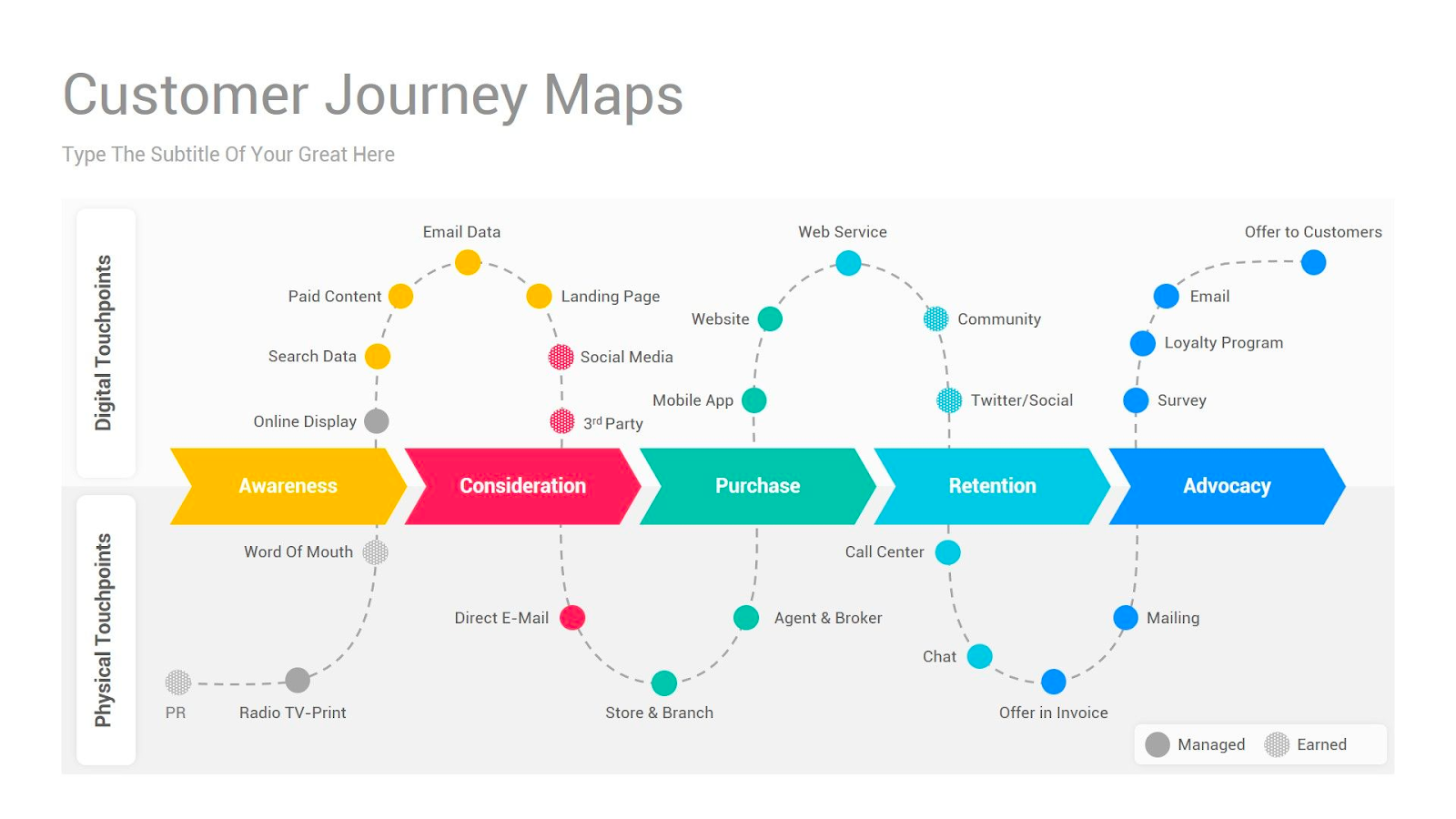
In 2026, dynamic customer journeys will reshape how brands interact with consumers. With advancements in AI and machine learning, each customer’s experience will be tailored uniquely to their preferences and behaviors. This personalization will not only enhance engagement but also increase conversion rates as marketers leverage real-time data to adapt strategies on the fly. For example, if a customer shows interest in a specific product category while browsing, automated systems can trigger personalized offers or recommendations, guiding them seamlessly through their buying journey.
Moreover, omnichannel strategies will play a critical role in ensuring consistency across various platforms. Customers expect a smooth transition between online and offline experiences, and brands must deliver on this expectation. Dynamic content will adapt to user interactions, ensuring that messages are relevant and timely, which in turn fosters greater engagement. By implementing effective customer feedback loops, brands can continuously refine the user experience, addressing pain points as they arise.
Behavioral triggers will also be essential, as they allow for automated responses that anticipate user needs. This proactive approach, combined with robust analytics, will help marketers identify which touchpoints lead to conversions, enabling them to optimize customer journeys effectively. Testing different paths in these journeys will become standard practice, helping brands understand what resonates best with their audience. Ultimately, collaboration among marketing, sales, and customer service teams will be crucial in creating cohesive and responsive interactions that meet customer expectations. Utilizing customer journey mapping tools will further assist in visualizing and refining these processes, leading to improved engagement and satisfaction.
4. Human-Centric Content Creation
In 2026, human-centric content creation will take center stage in digital marketing. Marketers will increasingly focus on storytelling that resonates on a personal level with audiences. This approach emphasizes authenticity, leading brands to share diverse perspectives that consumers find relatable. User-generated content will play a crucial role, as it fosters a sense of community and trust among consumers, making them feel more connected to the brand.
Interactive formats, such as live Q&A sessions, will enhance audience engagement, allowing consumers to participate directly in the conversation. Marketers will prioritize empathy, striving to understand consumer pain points and addressing them in meaningful ways. Visual storytelling, through images and videos, will complement written content, making it more appealing and digestible for audiences.
Content themes will reflect pressing social issues and cultural trends that matter to consumers, ensuring that brands remain relevant in the conversation. Personalized content recommendations will guide users to relevant information based on their interests, creating a more tailored experience. Collaborations with influencers who genuinely align with brand values will enhance authenticity, further solidifying trust. Additionally, feedback from audiences will be actively sought to shape future content initiatives, ensuring that brands stay in tune with their consumers’ evolving needs.
5. First-Party Data Utilization
 Credits: tealium.com
As digital marketing evolves, brands will increasingly focus on first-party data utilization. To build strong relationships with customers, companies will prioritize collecting this data directly through methods such as surveys, loyalty programs, and direct interactions. Transparency in how data is collected will be crucial to gain consumer trust. Marketers will analyze this data to uncover valuable insights into consumer preferences and behaviors, leading to more effective targeting and segmentation of marketing campaigns. Ethical considerations will guide data collection practices, ensuring they align with consumer expectations and data privacy regulations. Additionally, integrating first-party data with existing analytics tools will allow for deeper insights, enabling brands to adjust their marketing strategies based on emerging trends. Providing consumers with incentives for sharing their data will enhance the value exchange, fostering a mutually beneficial relationship.
| Trend | Description | Source |
|---|---|---|
| First-Party Data Collection | Brands will prioritize building strong relationships with customers to collect first-party data. | Experian Report |
| Transparency in Data Collection | Transparency in data collection practices will be essential for gaining consumer trust. | Experian Report |
| Data Collection Methods | Data collection methods will include surveys, loyalty programs, and direct interactions. | Experian Report |
| Analysis of First-Party Data | Marketers will analyze first-party data to gain insights into consumer preferences and behaviors. | Experian Report |
| Segmentation Enhancement | Segmentation based on first-party data will enhance targeting and campaign effectiveness. | Experian Report |
| Ethical Considerations | Ethical considerations will guide how data is collected and utilized, aligning with consumer expectations. | Experian Report |
| Integration with Analytics Tools | Integrating first-party data with existing analytics tools will provide deeper insights. | Experian Report |
| Strategy Adjustment | Marketing strategies will be adjusted based on the analysis of first-party data trends. | Experian Report |
| Incentives for Data Sharing | Consumers will be offered incentives for sharing their data, enhancing value exchange. | Experian Report |
| Impact of Data Privacy Regulations | Data privacy regulations will shape how brands manage and use first-party data. | Experian Report |
6. Generative AI and Creative Workflows
Generative AI is set to transform the way marketers approach content creation by streamlining the entire process. This technology will enable professionals to produce drafts and generate ideas at scale, allowing for rapid exploration of multiple creative concepts. By leveraging AI tools, marketers can enhance innovation, quickly testing various creative ideas through rapid prototyping before committing to full-scale production. Furthermore, AI will assist in crafting personalized marketing materials tailored to individual consumer preferences, ensuring that campaigns resonate more effectively with target audiences.
The collaboration between human creators and AI tools will redefine creative workflows, with AI analyzing past campaign performances to suggest improvements in future content strategies. In this evolving landscape, creative briefs can be generated using AI insights, ensuring that marketing efforts align closely with brand goals. It will be essential for marketers to receive training on how to effectively harness generative AI tools in their workflows, maximizing the potential of this technology.
As generative AI continues to advance, discussions around its ethical use in creativity will become increasingly relevant. Marketers will need to commit to continuous learning and adaptation, staying updated on the capabilities of AI to maintain a competitive edge in the digital marketing arena.
7. Nostalgic Marketing
Nostalgic marketing is set to become a vital trend in 2026 as brands look to connect with consumers on a deeper emotional level. By referencing past trends, music, and pop culture, companies can create campaigns that evoke warm memories, fostering strong emotional ties with their audiences. This approach will not only differentiate brands in a crowded marketplace but also appeal to consumers’ desire for comfort in familiar experiences. Limited edition products that harken back to the past will attract attention, as consumers are often willing to relive cherished moments. Storytelling that incorporates nostalgic themes will enhance brand loyalty and engagement, making consumers feel a part of the brand’s history. Social media platforms will play a crucial role, encouraging users to share their nostalgic experiences related to the brand, thus amplifying the campaign’s reach. Collaborations with retro brands or franchises are expected to create buzz and draw attention, while visual elements from past decades will be integrated into modern marketing materials. This strategy will resonate particularly well with older demographics, who often have strong connections to the cultural references being used. Data analysis will help brands identify which nostalgic elements resonate most effectively with their target audiences, ensuring that their campaigns are not only sentimental but also strategically sound.
8. Sustainability and Authentic Communication
As consumers grow more concerned about environmental issues, brands will increasingly adopt sustainable practices and make their efforts known. Transparency will be essential, as vague claims will no longer suffice. Companies will need to publish sustainability reports that detail their initiatives and the measurable impacts they have achieved. Collaborations with environmental organizations will lend credibility to their messages, enhancing consumer trust. Marketing strategies will highlight sustainable packaging and ethically sourced products, showcasing a commitment to responsible practices. Furthermore, brands will focus on educating consumers about their sustainability journeys and future goals, making these narratives a central part of their identity. Engaging in community initiatives and establishing feedback mechanisms will allow brands to demonstrate their commitment to social responsibility and gauge consumer perceptions effectively. Partnering with influencers who advocate for sustainability will amplify these messages, reaching wider audiences and fostering genuine connections with consumers.
9. Enhanced Video Marketing
Video marketing will be a central focus for brands in 2026, as platforms prioritize video content to meet diverse consumer preferences. Short-form videos will be crucial for quickly capturing audience attention, while live streaming will offer real-time engagement opportunities. To maximize visibility, brands will need to prioritize video SEO by optimizing keywords, descriptions, and creating compelling thumbnails. High-quality production will become essential to stand out in a crowded digital landscape. Additionally, user-generated video content will foster authenticity, resonating well with audiences seeking relatable experiences. Data analytics will be instrumental in tracking video performance, helping brands refine their content strategies. Effective video storytelling will emphasize emotional connections, while incorporating interactive elements like polls and calls to action will drive viewer participation. Finally, cross-promotion of video content across multiple channels will enhance reach and effectiveness, ensuring that brands can engage their target audiences effectively.
10. Employee Advocacy and Internal Influencers
In 2026, employee advocacy will emerge as a vital component of digital marketing strategies. Companies will actively encourage their employees to share personal experiences and insights on social media, creating a more relatable and authentic brand image. Internal influencer programs will allow employees to represent the brand in a genuine manner, thereby fostering trust and connection with audiences. To support this initiative, businesses will provide training focused on effective brand storytelling, equipping employees with the skills to convey the brand’s message confidently.
Integrating employee-generated content into broader marketing strategies will further enhance engagement. This approach not only showcases the diverse voices within the company but also enriches the overall narrative of the brand. Recognizing employee contributions will cultivate a culture of advocacy, where employees feel valued and motivated to participate actively.
Collaboration tools will play a crucial role in facilitating content sharing among employees, allowing them to amplify their voices and connect with a wider audience. Internal communications will reinforce the importance of brand values and messaging, ensuring that employees are aligned with the company’s mission. To measure the success of these efforts, engagement metrics will be analyzed, providing insights into the effectiveness of employee advocacy initiatives.
Additionally, brand ambassadors within the organization will lead initiatives that highlight corporate culture, promoting a positive image that resonates with both current and potential customers. Feedback from employees will be essential in refining advocacy programs, allowing companies to adapt their strategies based on real experiences and insights. This trend toward employee advocacy will not only enhance brand visibility but also strengthen the overall relationship between employees and the company.
Frequently Asked Questions
1. What are the main digital marketing trends to watch in 2026?
In 2026, important digital marketing trends include the rise of artificial intelligence, more focus on personalized marketing, the growth of voice search, increased use of video content, and changes in social media advertising.
2. How will artificial intelligence impact digital marketing in 2026?
Artificial intelligence will enhance data analysis, enable more effective customer targeting, improve chatbot interactions, and automate various marketing processes, making campaigns more efficient.
3. Why is personalized marketing becoming more important in digital marketing?
Personalized marketing helps brands connect with customers on a deeper level, leading to better customer experiences and higher engagement, as consumers increasingly expect tailored content.
4. What role will video content play in digital marketing by 2026?
Video content will continue to gain popularity, as it captures audience attention more effectively and is favored by social media platforms, making it essential for brands to include it in their strategies.
5. How will social media advertising evolve by 2026?
Social media advertising will likely become more geared towards influencers and personalized ads, with platforms offering new features and tools for brands to reach their target audiences more precisely.
TL;DR In 2026, digital marketing will focus on AI-driven campaign management, dynamic customer journeys, and human-centric content creation. Brands must adopt a ‘search everywhere’ strategy for diverse platforms and utilize first-party data to comply with privacy regulations. Generative AI will enhance creative processes, while nostalgic marketing will resonate with consumers. Sustainability will demand authentic communication about brand initiatives. Enhanced video marketing will be critical, and companies will leverage employee advocates for genuine engagement. Marketers must adapt rapidly to these trends to stay competitive.